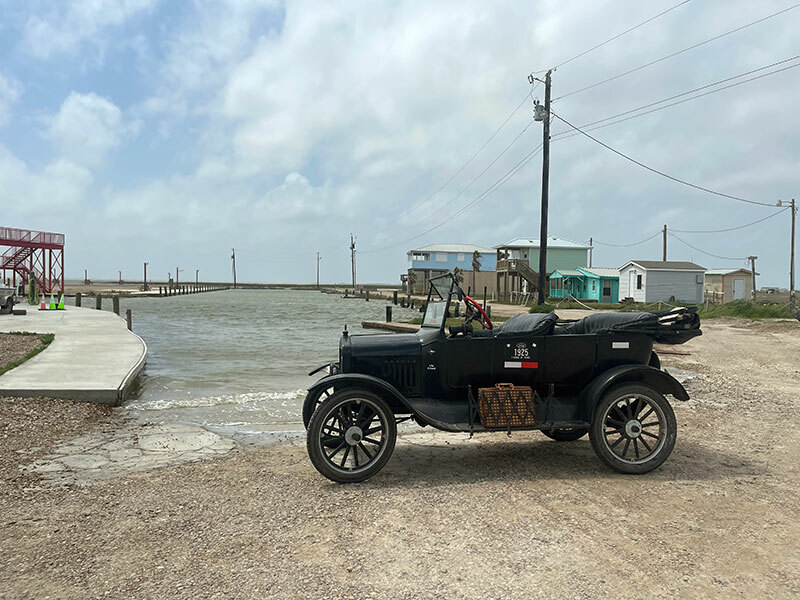
Nestled in the heart of Texas, Little Chocolate Bayou is a serene waterway with a rich and captivating history. Originally serving as a vital resource for indigenous tribes, the bayou provided fresh water and abundant fish, fostering the growth of thriving communities. As European settlers arrived in the region, Little Chocolate Bayou became an essential part of their agricultural and trading endeavors. Its fertile banks supported diverse crops, and its waters facilitated transportation and commerce. Over time, the bayou's tranquil beauty drew more settlers, who established homesteads and small towns along its shores, entrusting the bayou with their livelihoods.
In the 19th and early 20th centuries, Little Chocolate Bayou witnessed significant developments that shaped its legacy. During the Civil War, it was a strategic location for both Confederate and Union troops, who utilized its waters for navigation and supply routes. Following the war, the bayou continued to play a crucial role in the local economy, with industries such as fishing, agriculture, and oil exploration flourishing in the area. Despite the challenges posed by natural disasters and economic fluctuations, Little Chocolate Bayou remained a steadfast symbol of resilience for the communities it nurtured. Today, the bayou stands as a cherished landmark, offering a glimpse into the rich tapestry of Texas history and the enduring spirit of those who have called its banks home.
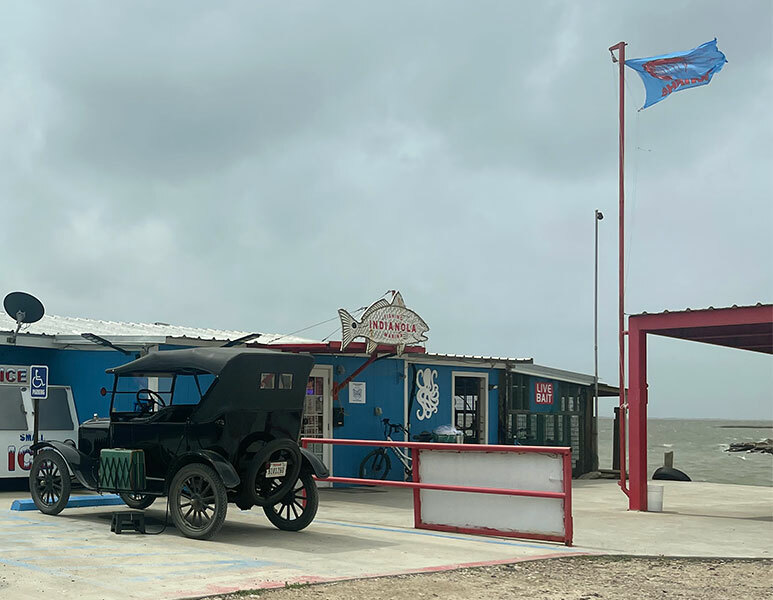
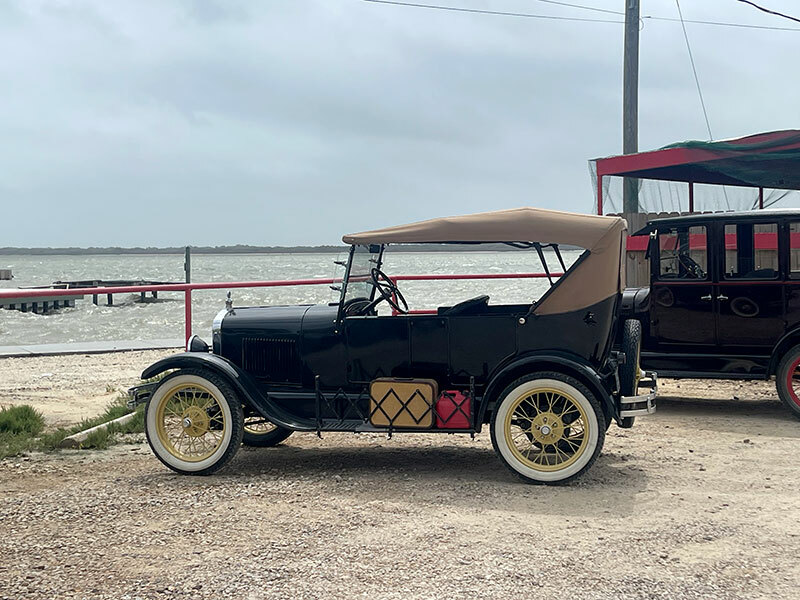
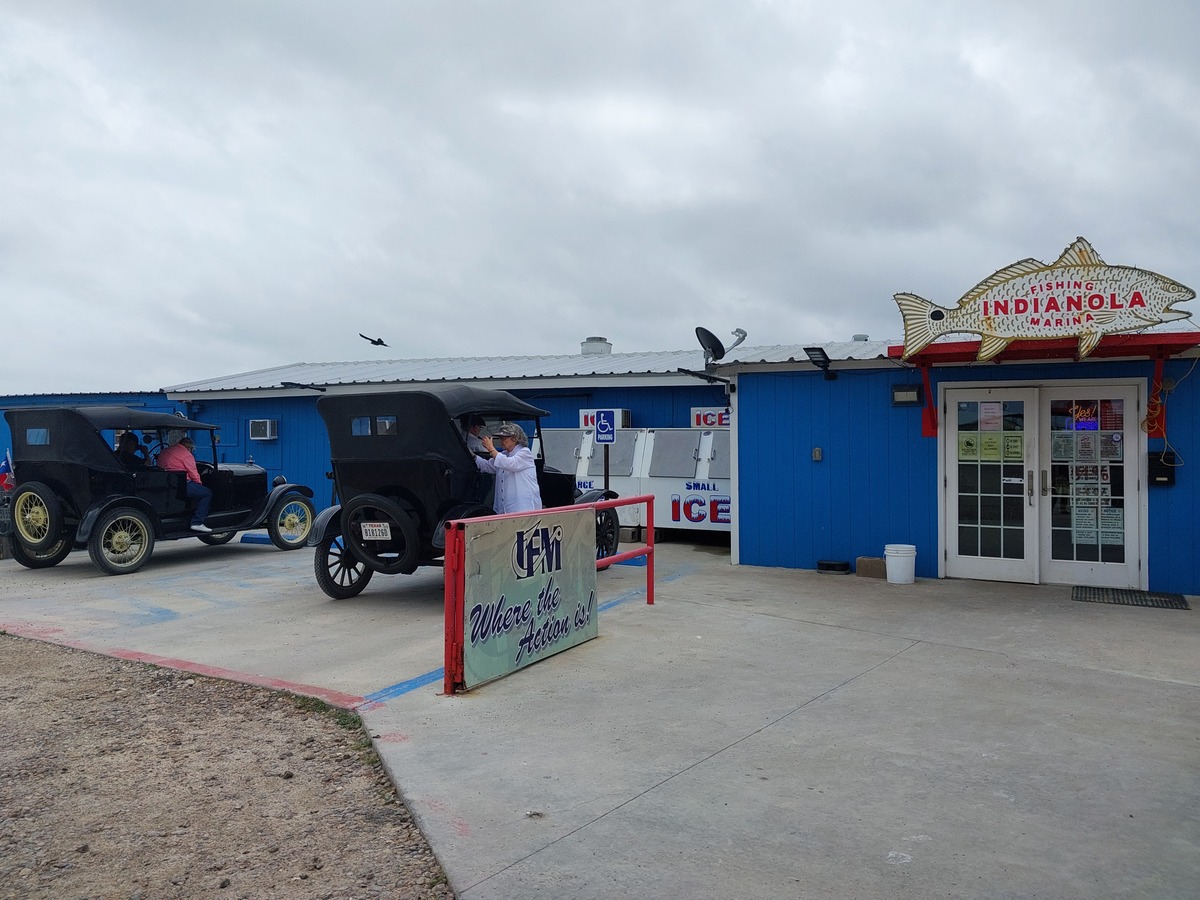
Indianola Fishing Marina, nestled along the Texas Gulf Coast, boasts a rich and storied history that spans over a century. Originally established in the late 19th century, the marina served as a vital hub for the local fishing industry, providing a safe haven for boats and a bustling marketplace for fresh seafood. The location's natural beauty and abundant marine resources drew fishermen and traders from various regions, fostering a vibrant and thriving community. Over time, Indianola Fishing Marina became synonymous with the spirit of resilience and determination, overcoming challenges such as hurricanes, economic fluctuations, and evolving industry demands.
In the early 20th century, the marina underwent significant developments to enhance its infrastructure and accommodate the growing needs of its patrons. Modern facilities were introduced, including advanced docking systems and storage areas, ensuring the marina's continued relevance in the competitive fishing industry. Community efforts played a pivotal role in preserving the marina's historical charm while adapting to contemporary needs. Today, Indianola Fishing Marina stands as a cherished landmark, reflecting the enduring legacy of Texas's maritime heritage and the unwavering spirit of those who have made it their livelihood. The marina remains a beloved destination for fishing enthusiasts and visitors alike, offering a glimpse into the rich tapestry of coastal history and community bonds.
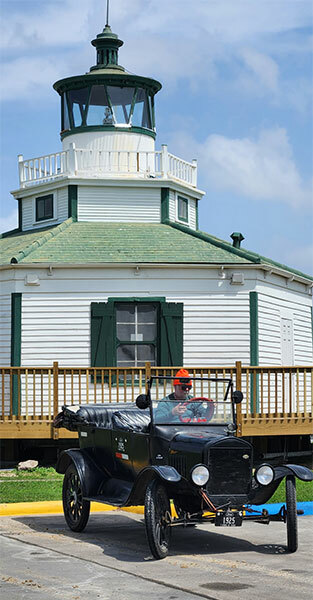
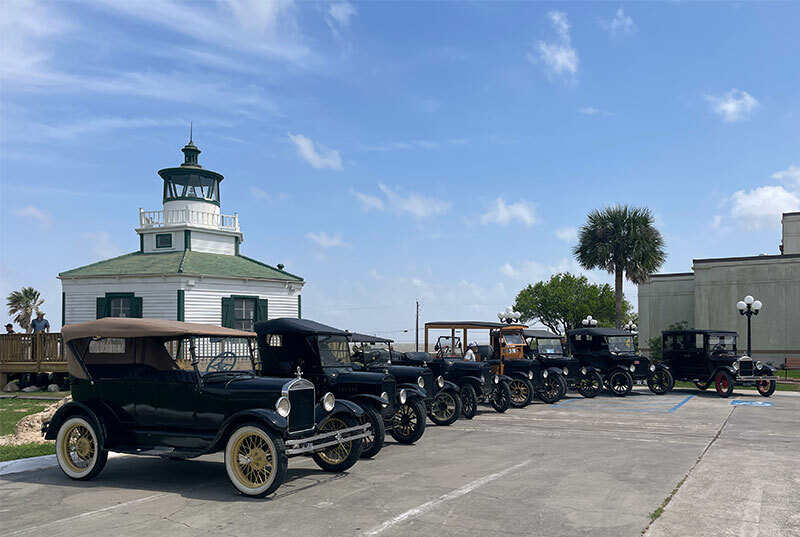
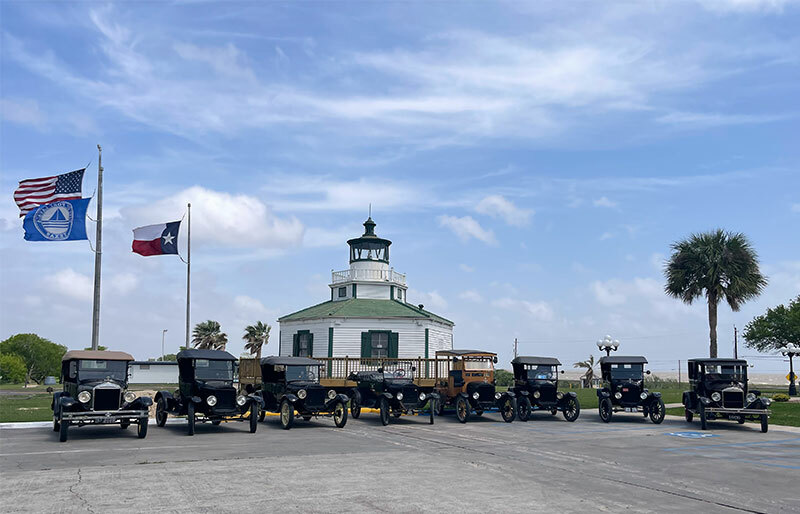
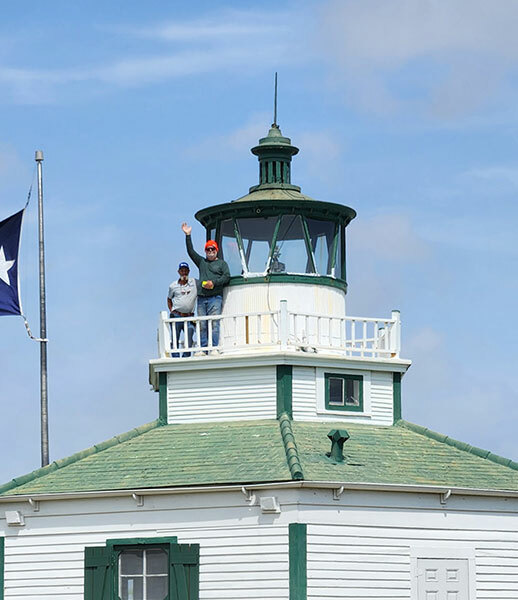
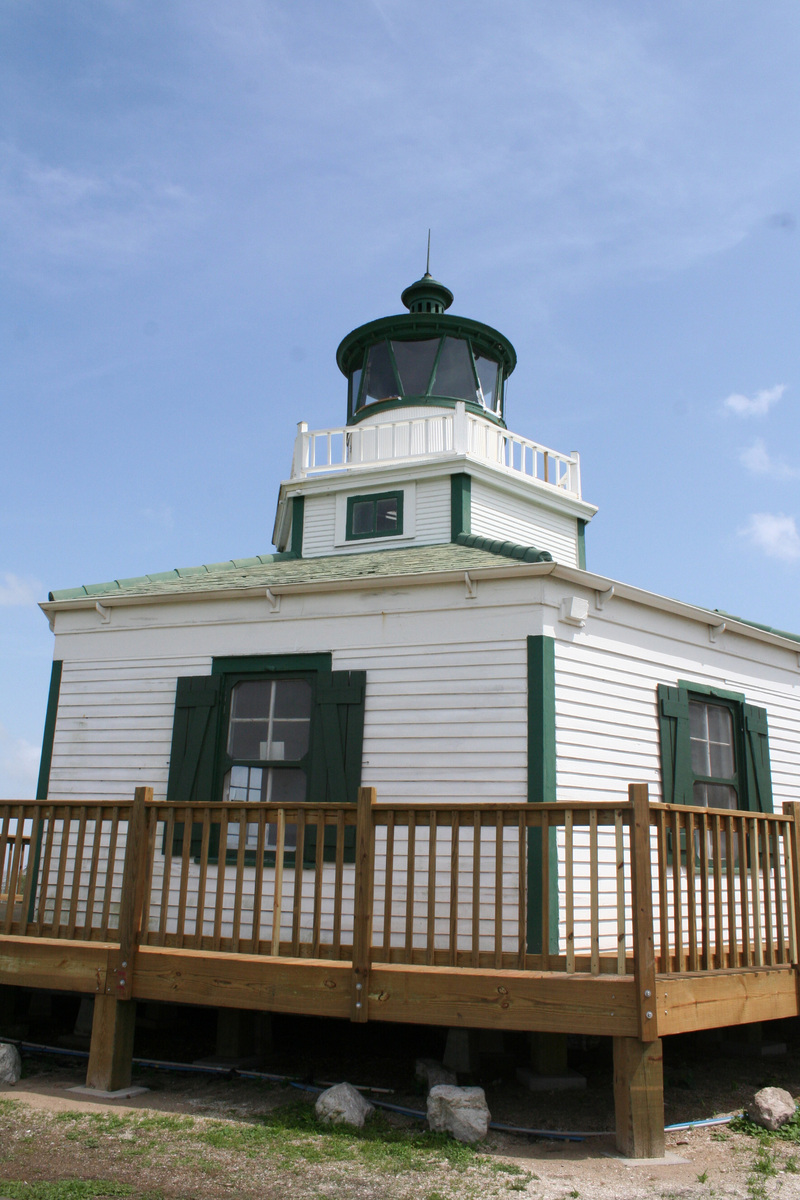
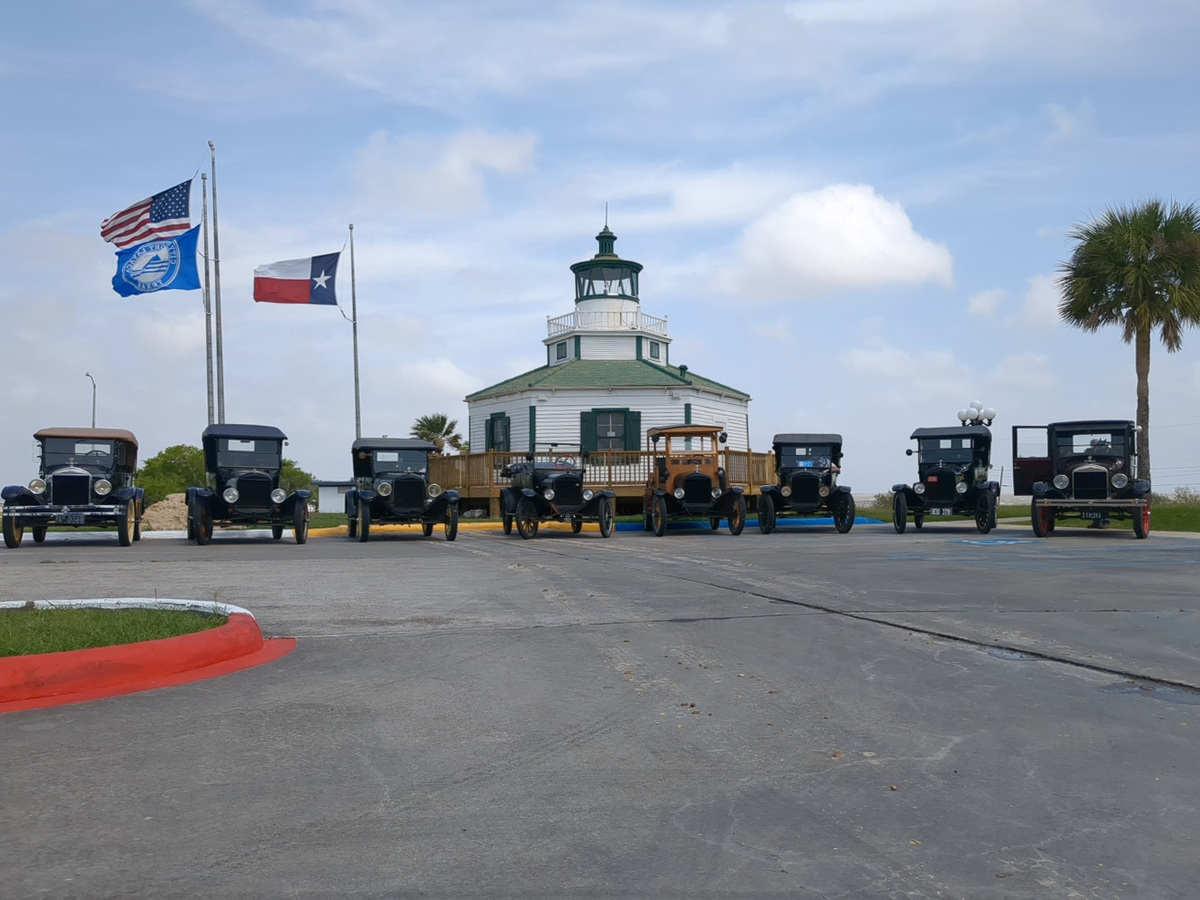
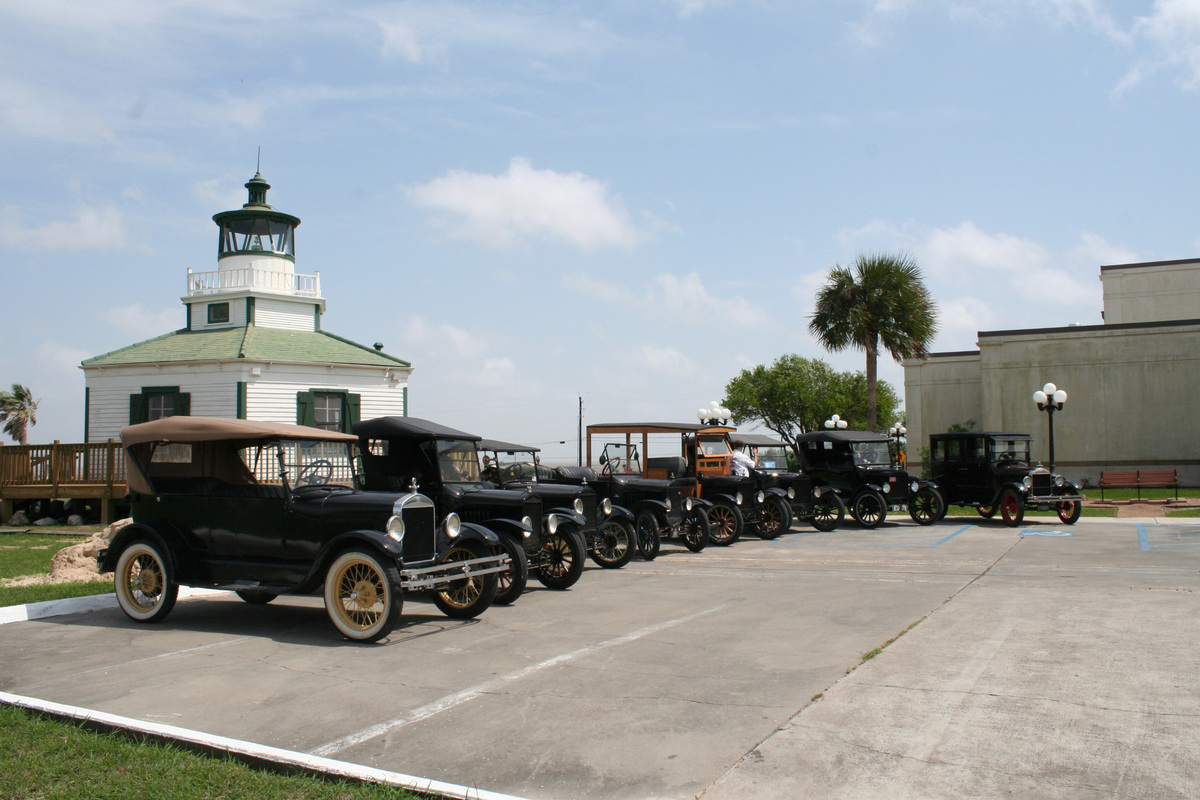
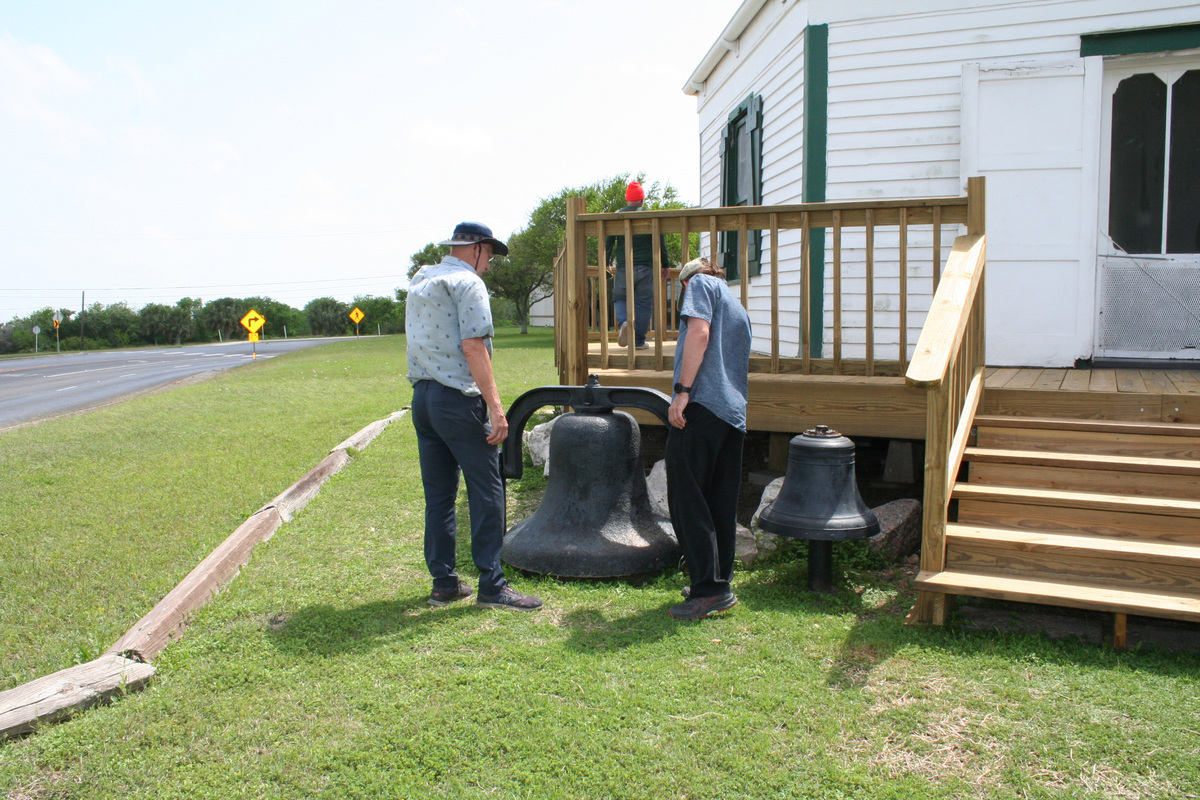
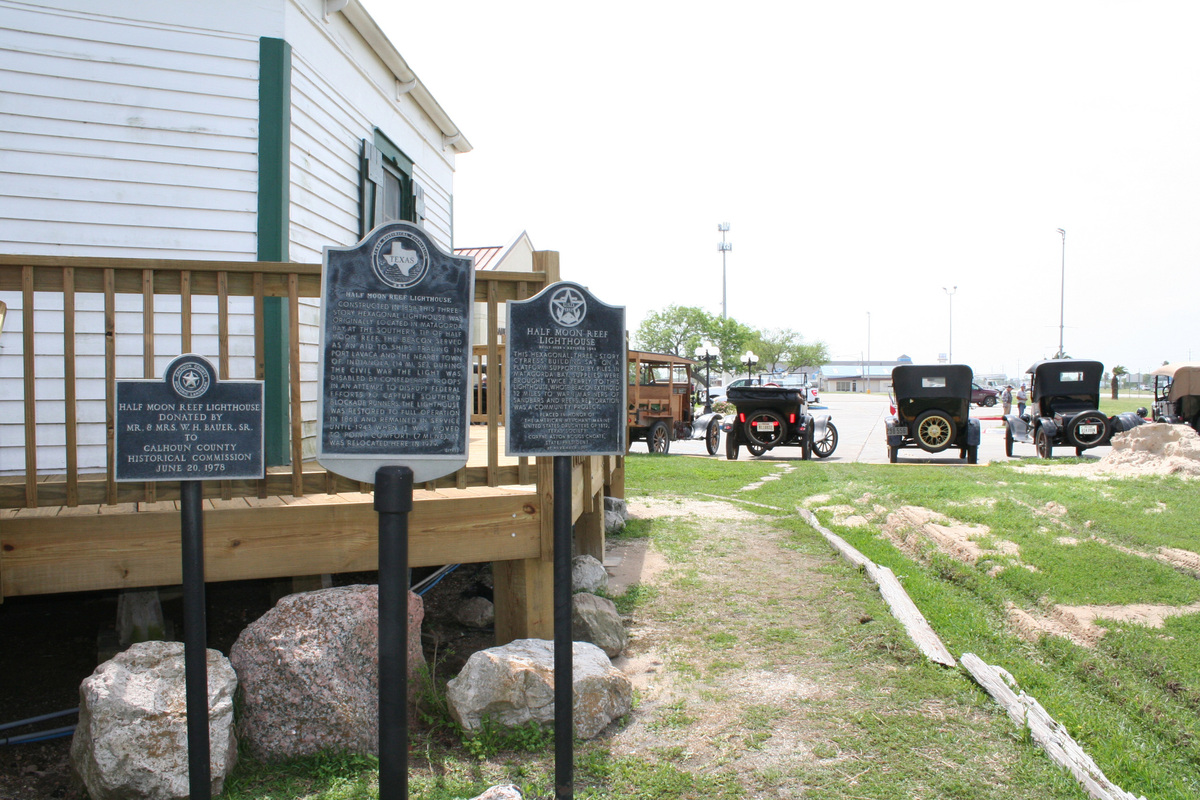
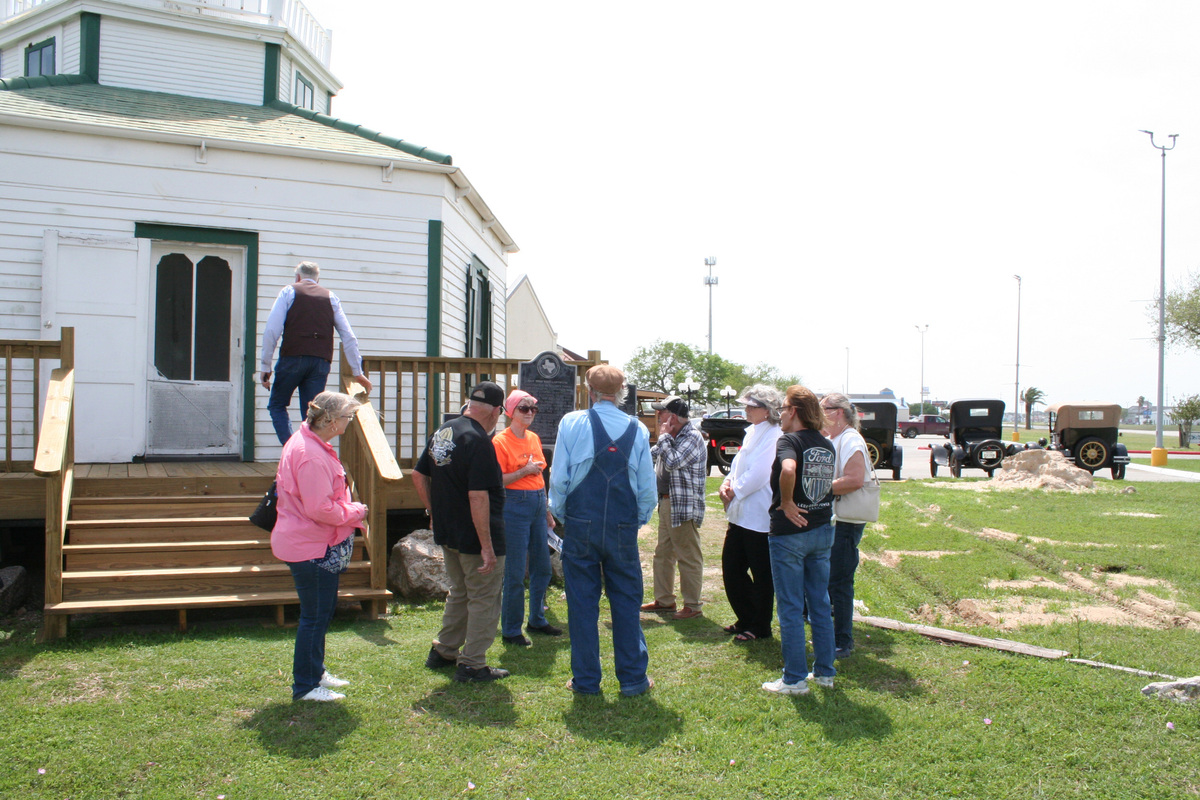
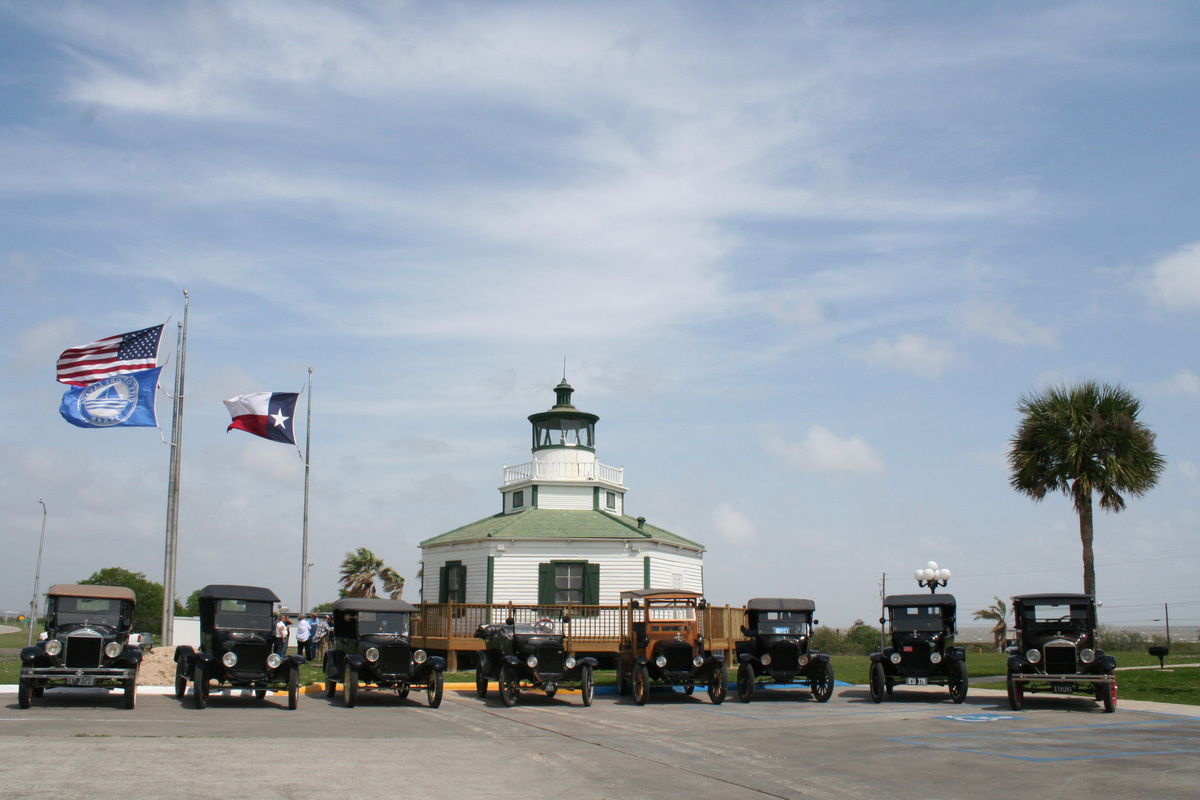
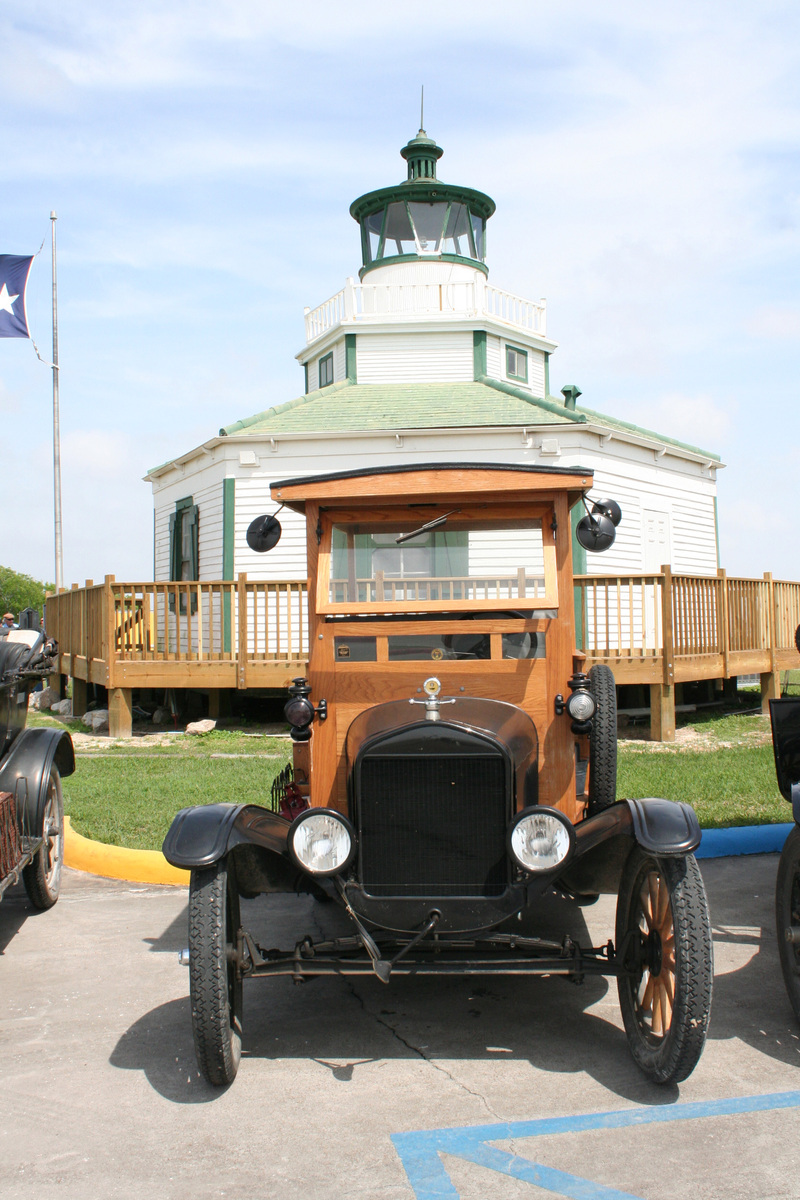
The Halfmoon Reef Lighthouse, an iconic maritime beacon, was established in the early 1850s to aid navigation along the treacherous waters of Matagorda Bay in Texas. Its construction was driven by the need to safeguard vessels traveling through the region, which was notorious for its dangerous reefs and unpredictable weather conditions. The lighthouse's hexagonal wooden structure was mounted on iron piles, providing durability and stability in the challenging coastal environment. Over the years, the distinctive lighthouse became a vital asset for maritime operations, guiding countless ships safely through the bay and contributing to the area's economic growth.
Despite advancements in navigational technology, the Halfmoon Reef Lighthouse remained operational until the mid-20th century, a testament to its enduring importance. As automated systems gradually took over, the lighthouse was decommissioned, but its historical significance was preserved through community efforts. Restoration projects have ensured that the lighthouse continues to stand as a beloved landmark, symbolizing the resilience and maritime heritage of the region. Today, the Halfmoon Reef Lighthouse serves as a poignant reminder of the past, offering visitors a glimpse into the rich history of Texas's coastal navigation and the enduring legacy of those who maintained its guiding light.





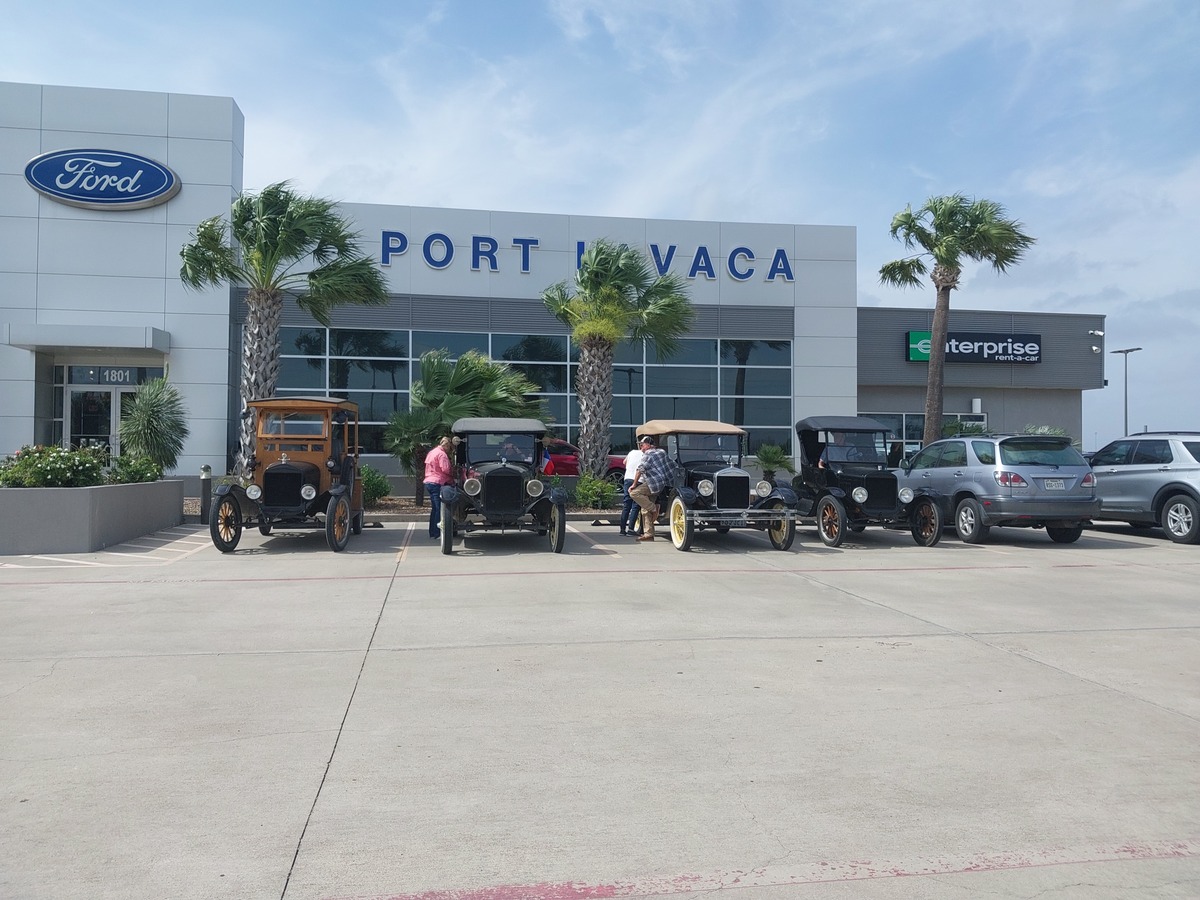
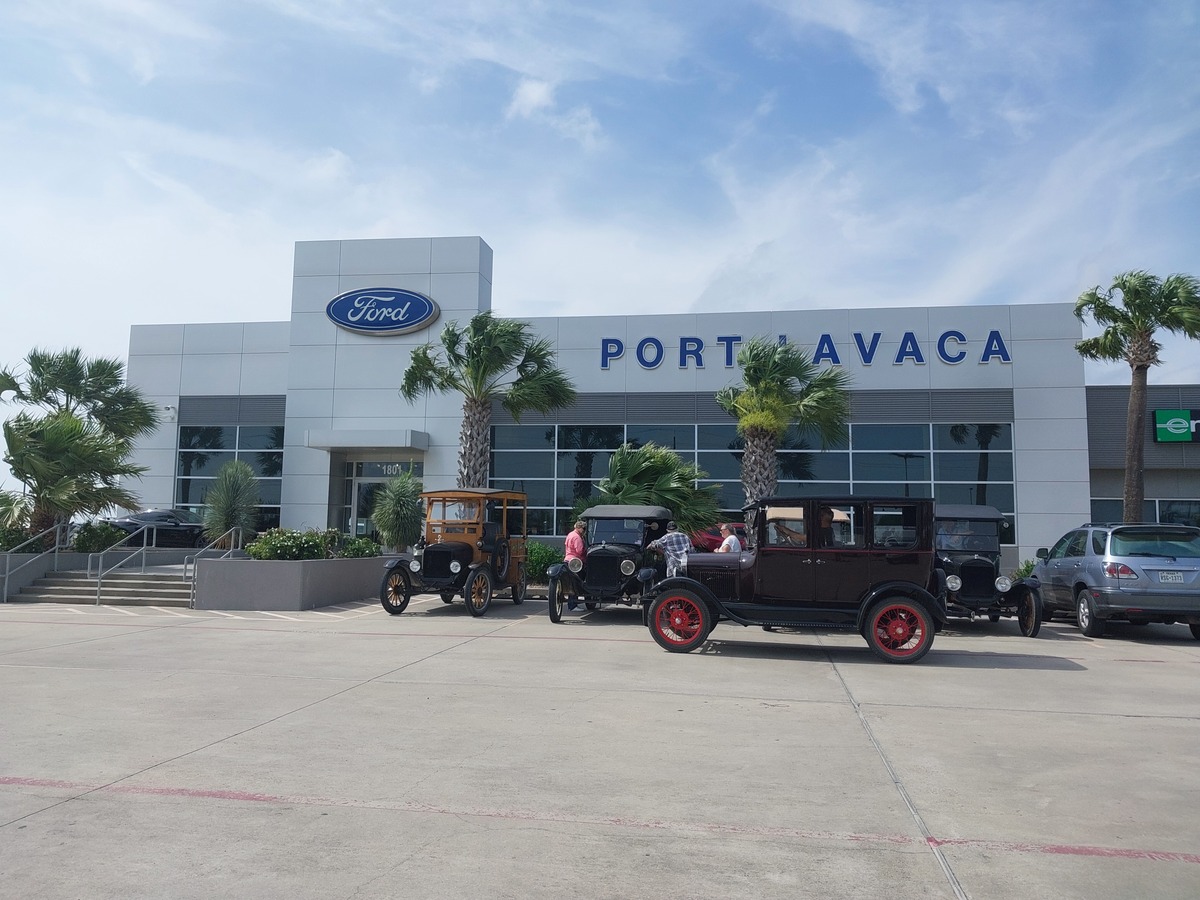
The Port Lavaca Ford Dealership has been a cornerstone of the automotive industry in Port Lavaca, Texas, since its inception. Founded in the late 20th century, the dealership was established with the vision of providing quality vehicles and exceptional service to the local community. Over the years, the dealership has grown in both size and reputation, becoming known for its wide selection of Ford vehicles, from rugged trucks to sleek sedans. The commitment to customer satisfaction and community involvement has been a driving force behind its success, as the dealership has continually adapted to meet the evolving needs and preferences of its patrons.
Throughout its history, the Port Lavaca Ford Dealership has played a significant role in the economic development of the region. By offering reliable transportation solutions and fostering strong relationships with customers, the dealership has contributed to the growth and prosperity of Port Lavaca. As the automotive industry has advanced, Port Lavaca Ford has remained at the forefront, integrating new technologies and innovative practices to enhance the buying and servicing experience. Today, the dealership stands as a testament to its founders' dedication and the enduring loyalty of its customers, continuing to drive forward with a legacy of excellence and community spirit.
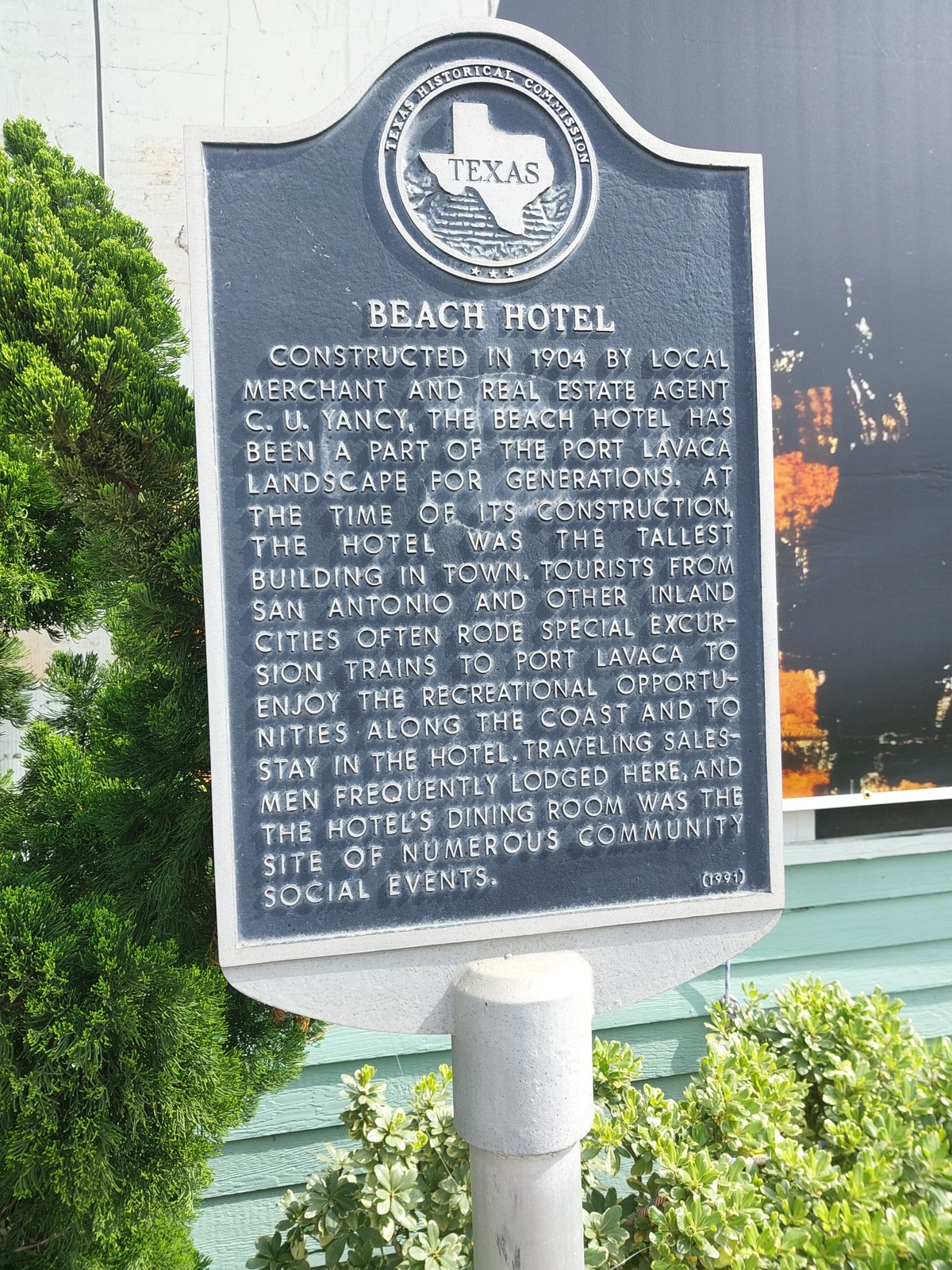
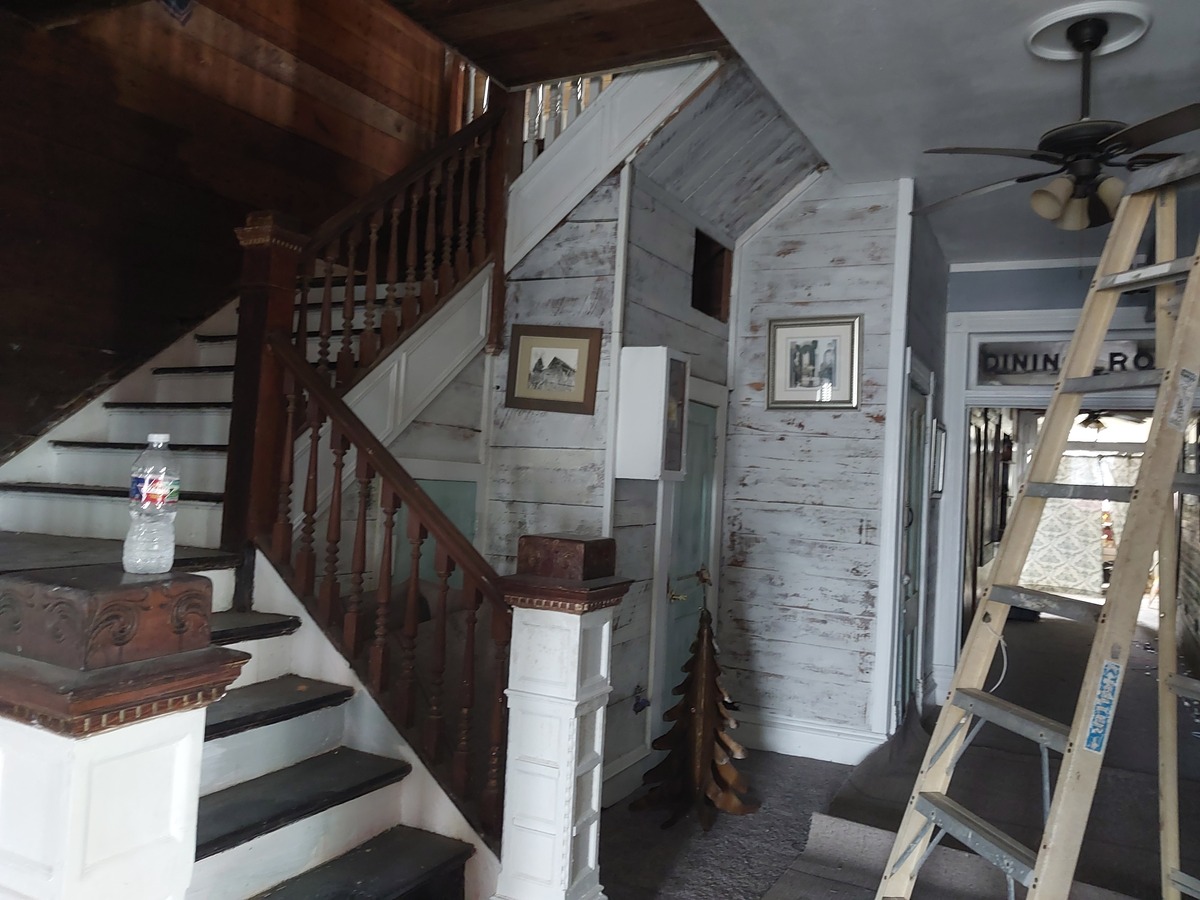
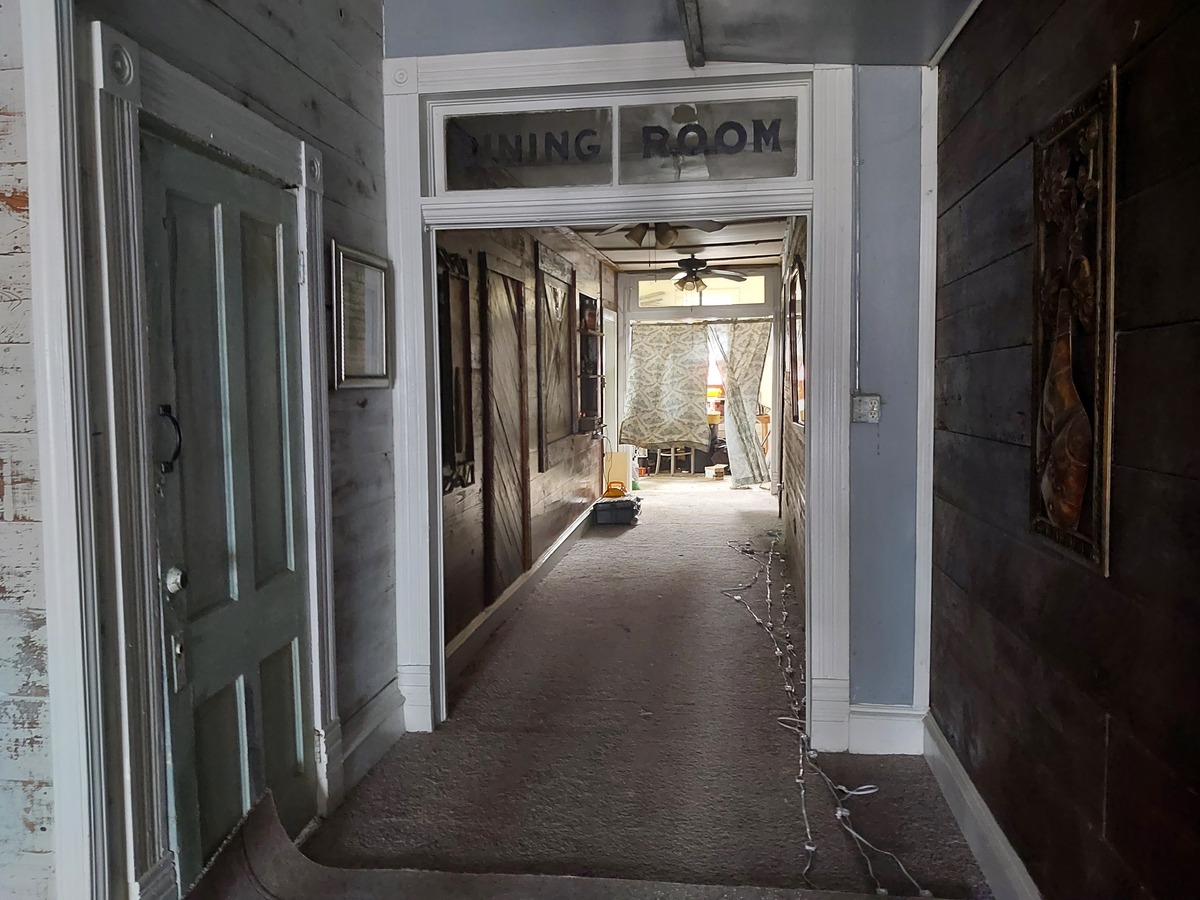
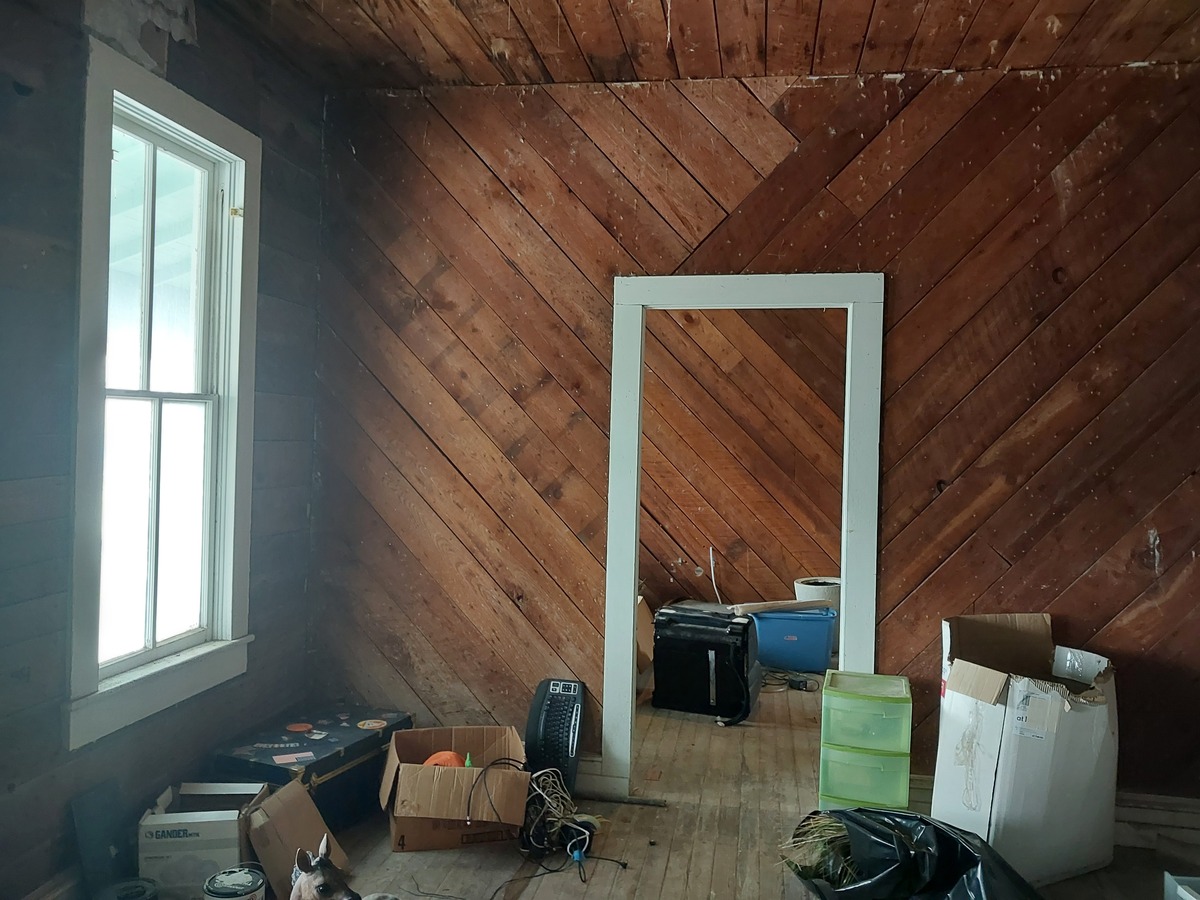
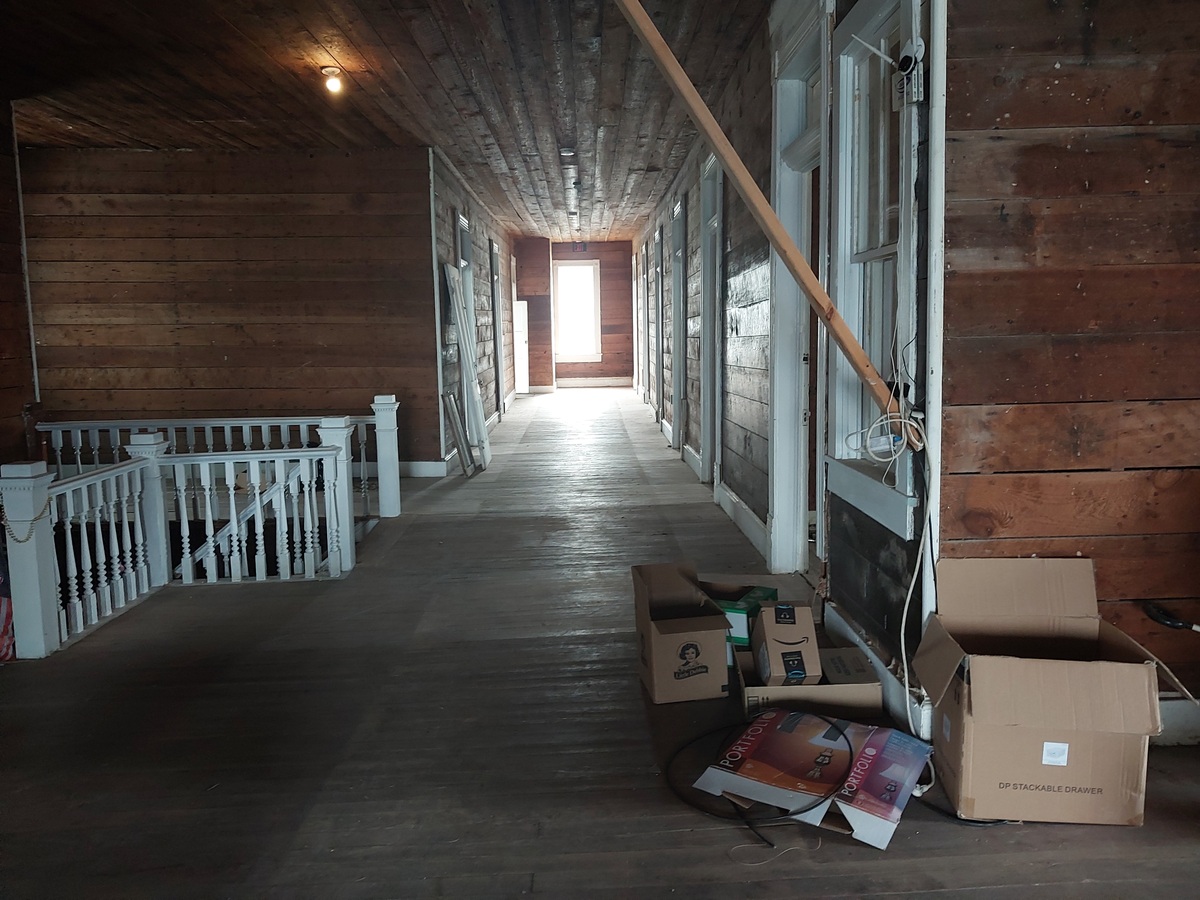
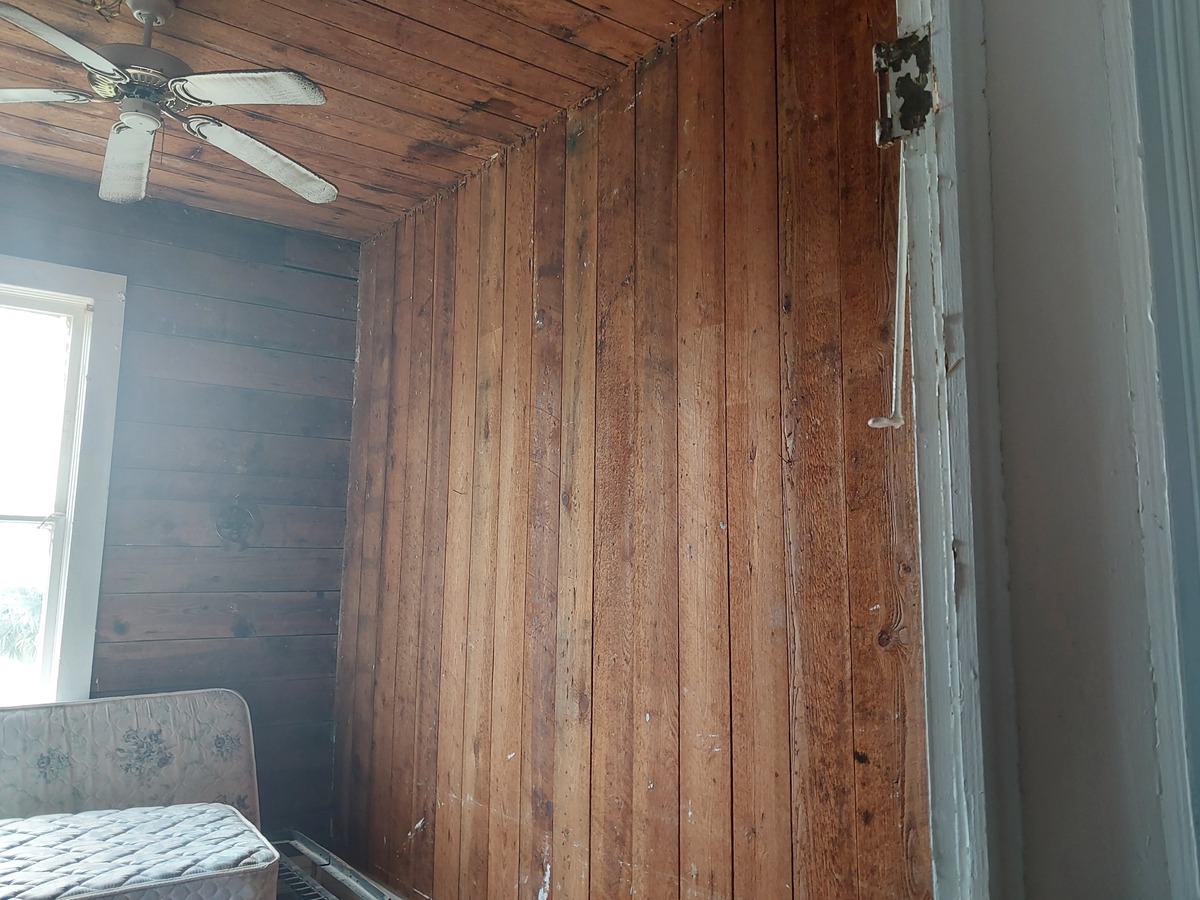
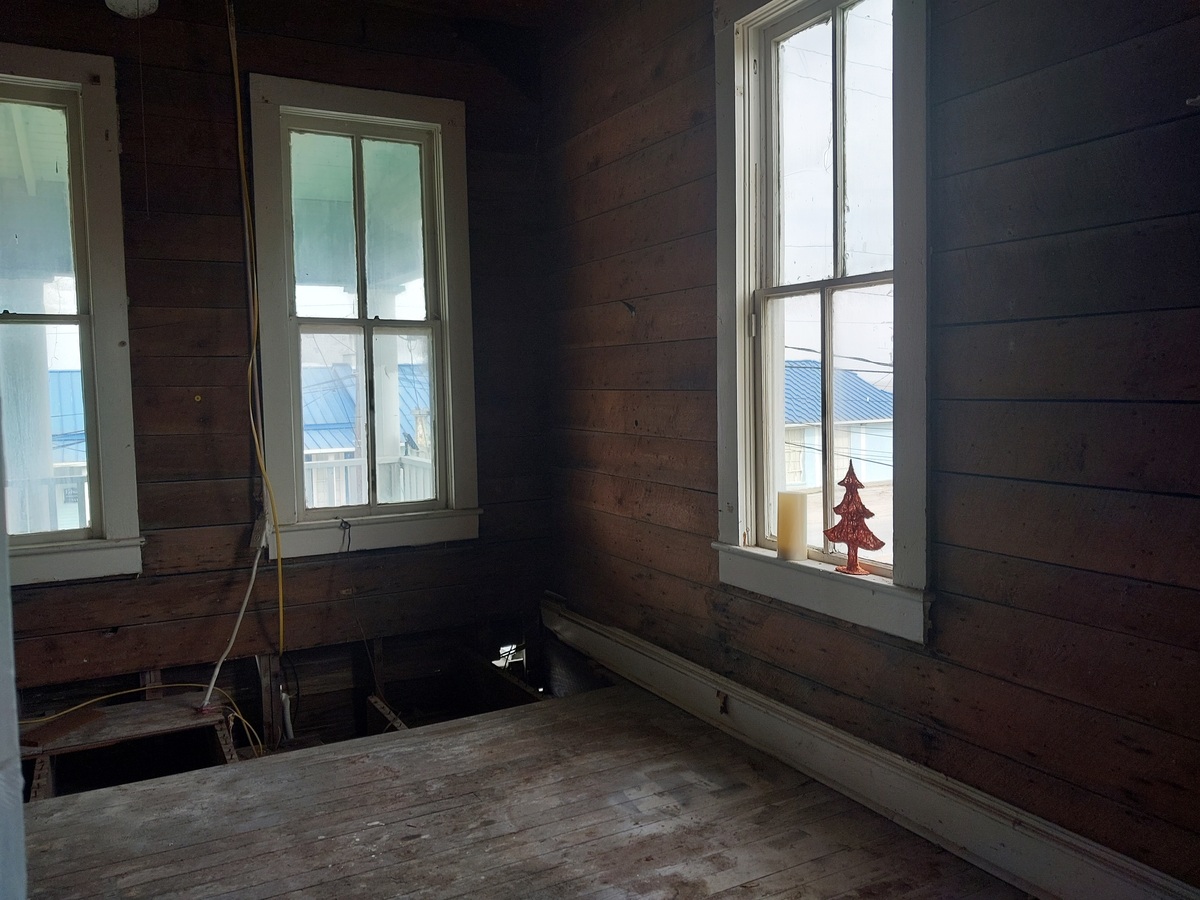
The 1904 Beach Hotel in Port Lavaca, Texas, stands as a historic landmark that has witnessed the evolution of the coastal community. Constructed in the early 20th century, the hotel was designed to offer luxurious accommodations to visitors seeking the beauty and serenity of Matagorda Bay. With its elegant architecture and prime beachfront location, the hotel quickly became a popular destination for tourists and locals alike. The 1904 Beach Hotel provided a retreat from the bustling city life, offering guests a chance to enjoy the picturesque views and calming sea breezes. Its grand ballrooms and exquisite dining facilities made it a favored spot for social gatherings and special events, contributing to the cultural vibrancy of Port Lavaca. Throughout the decades, the 1904 Beach Hotel adapted to the changing demands of its guests while preserving its historic charm.

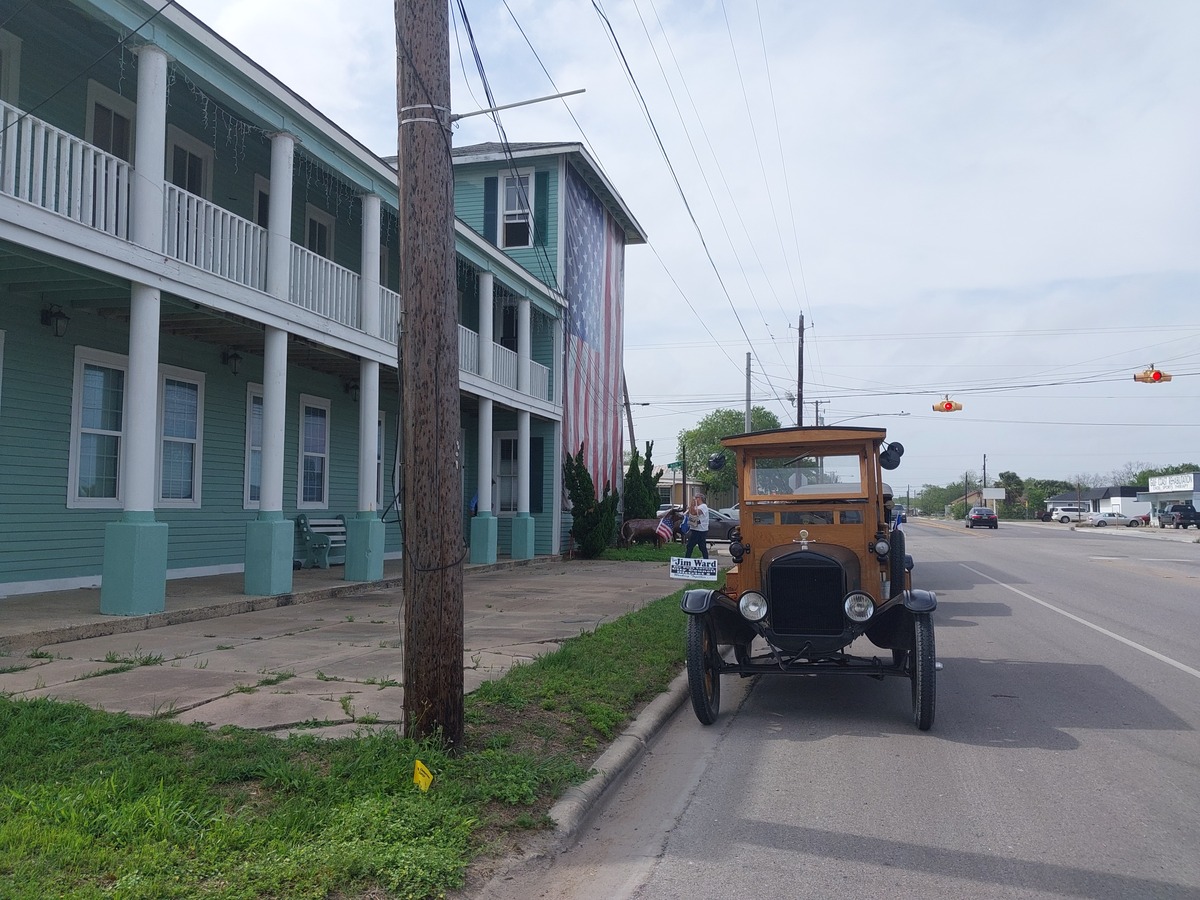
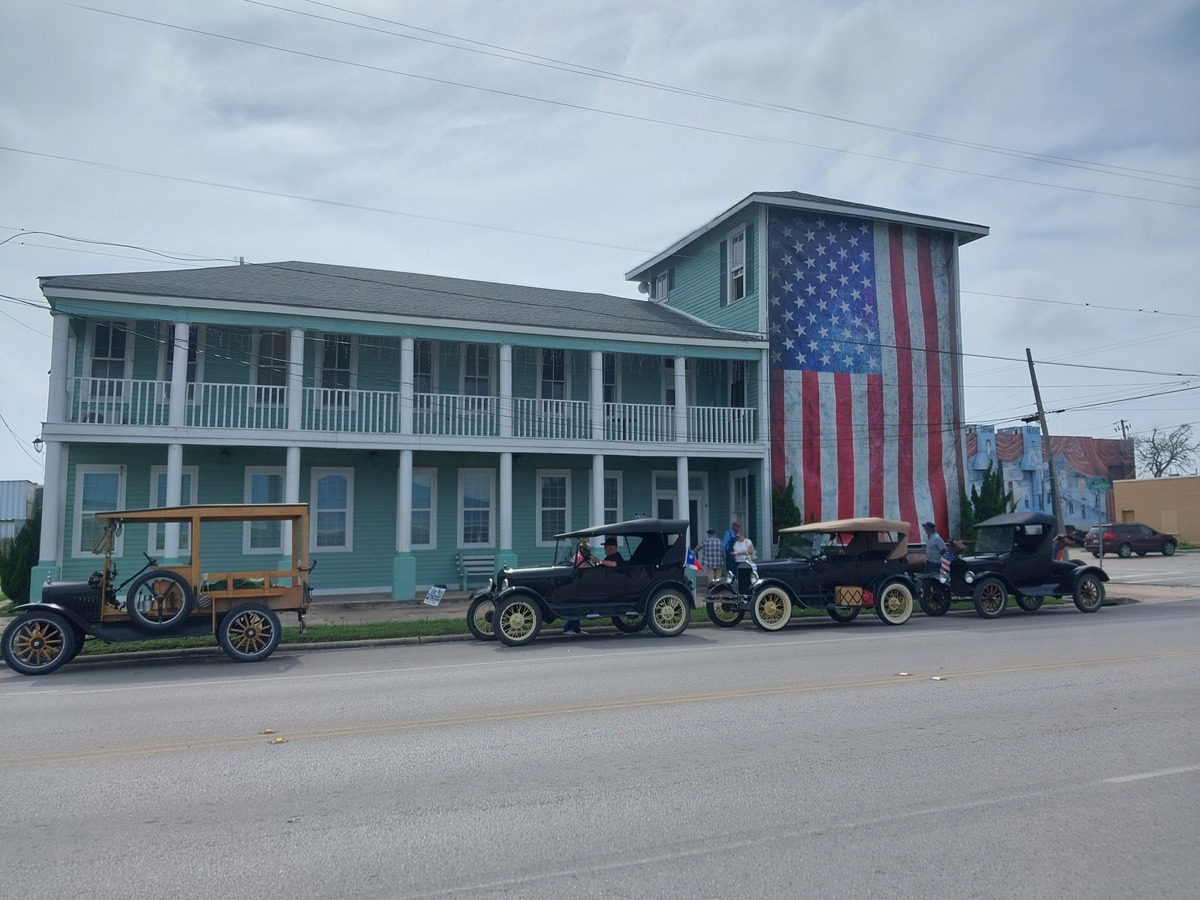
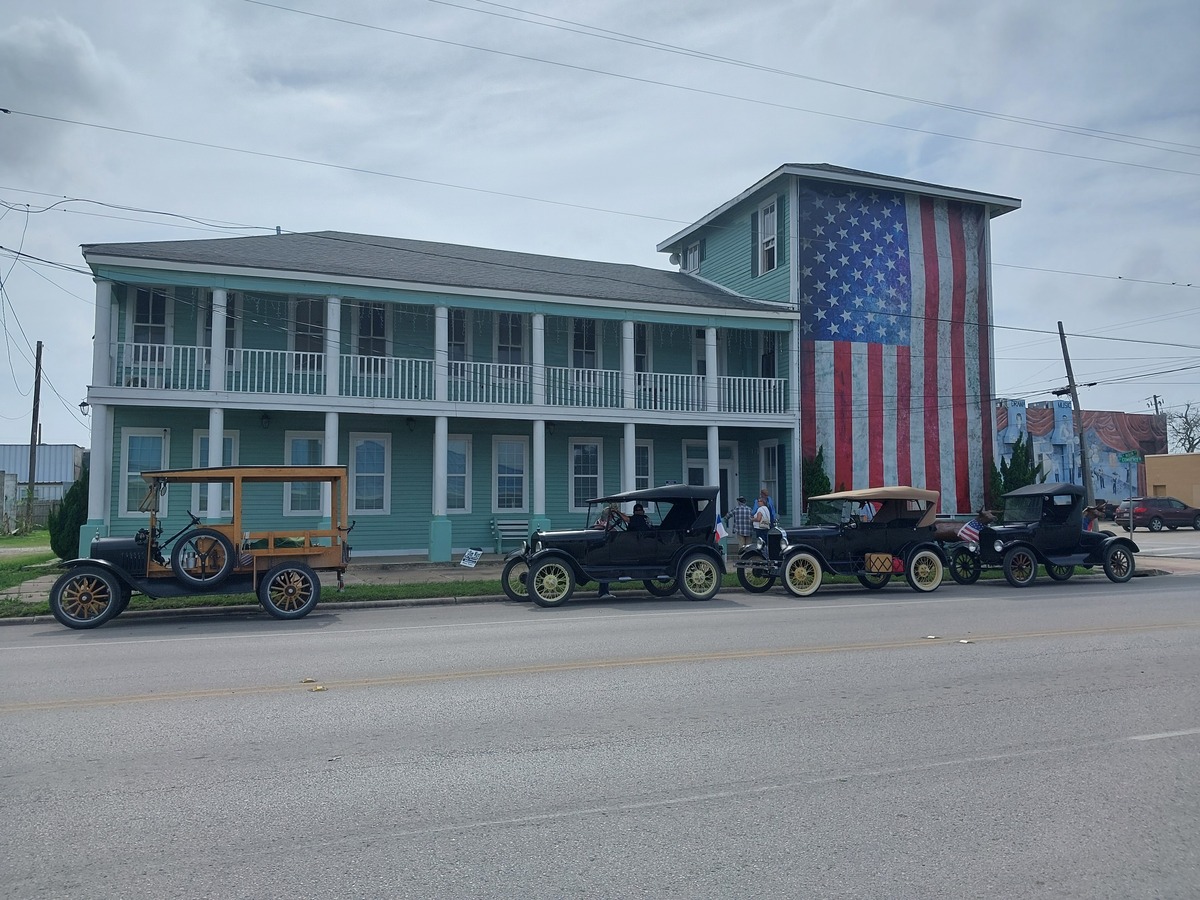
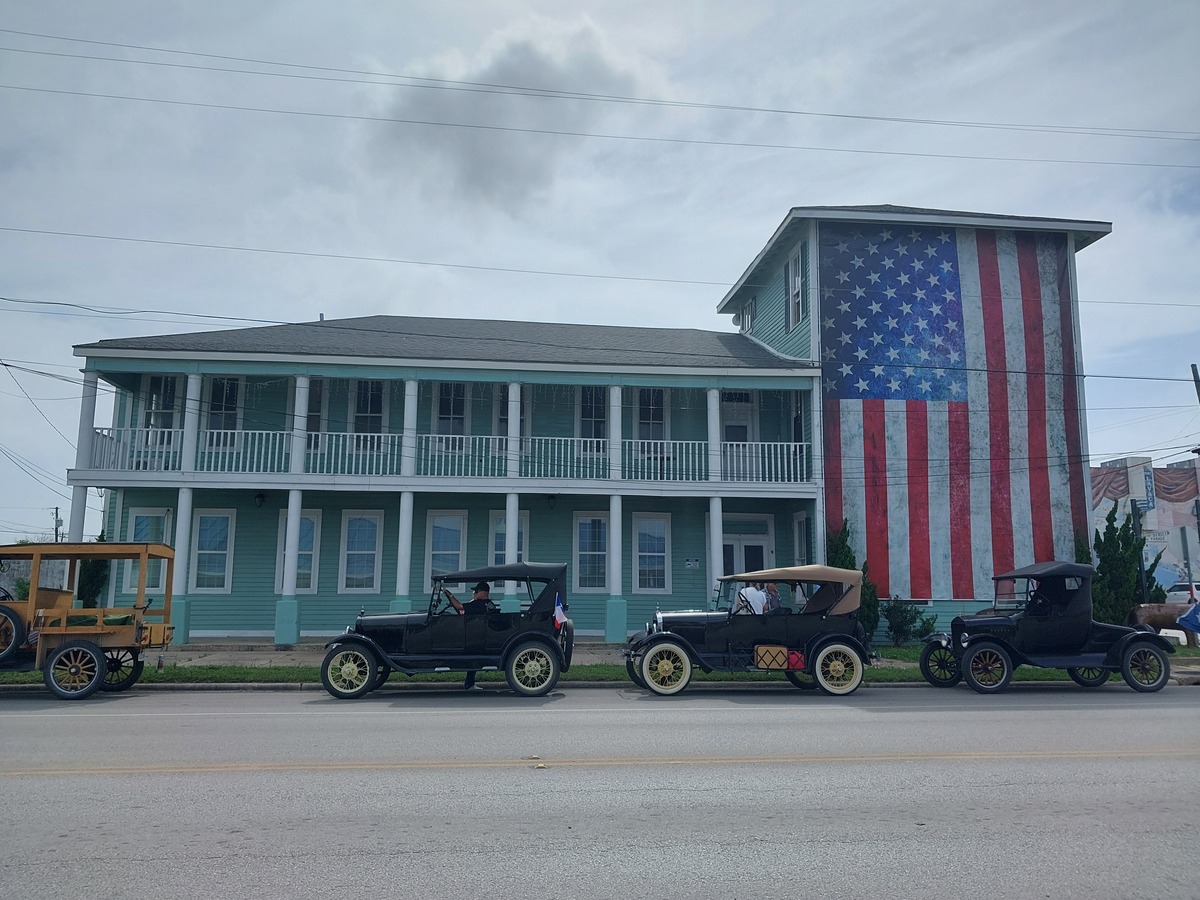

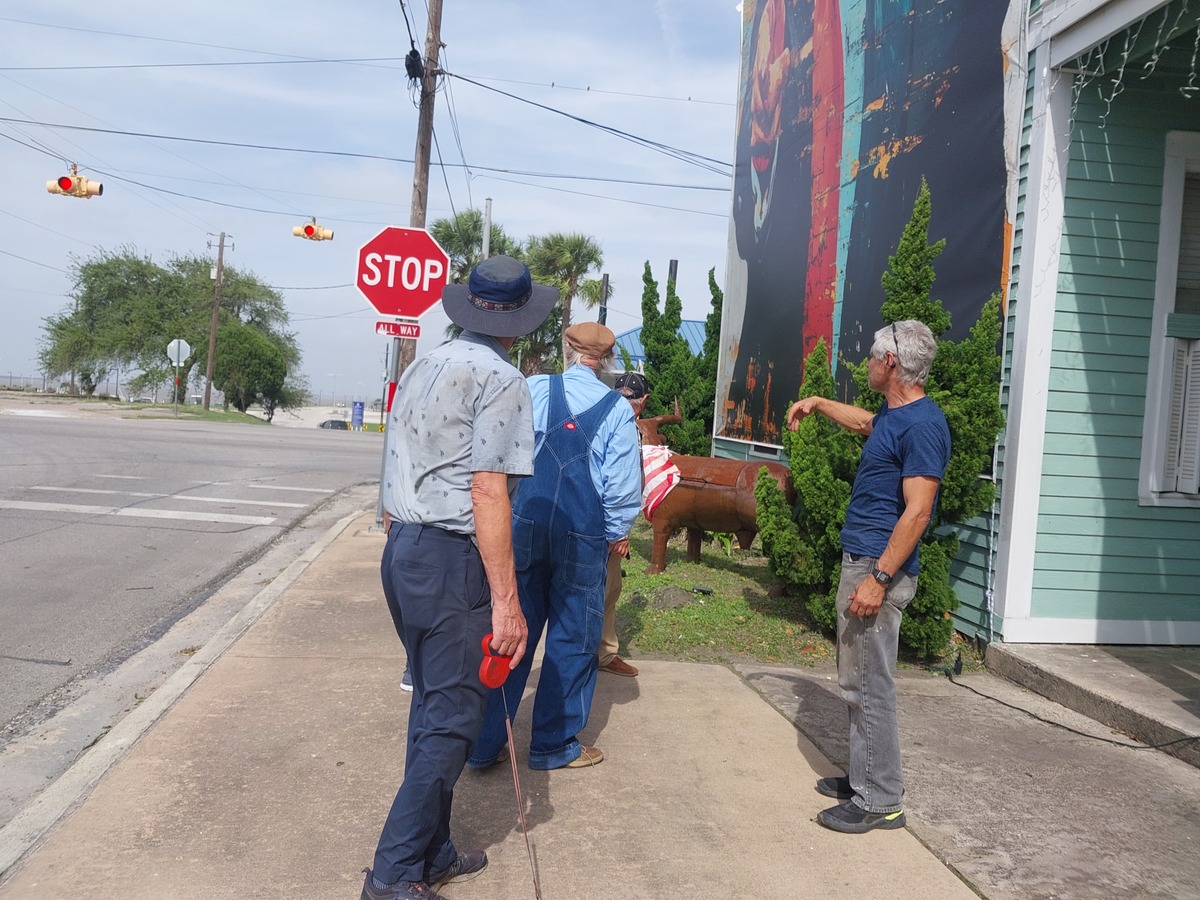
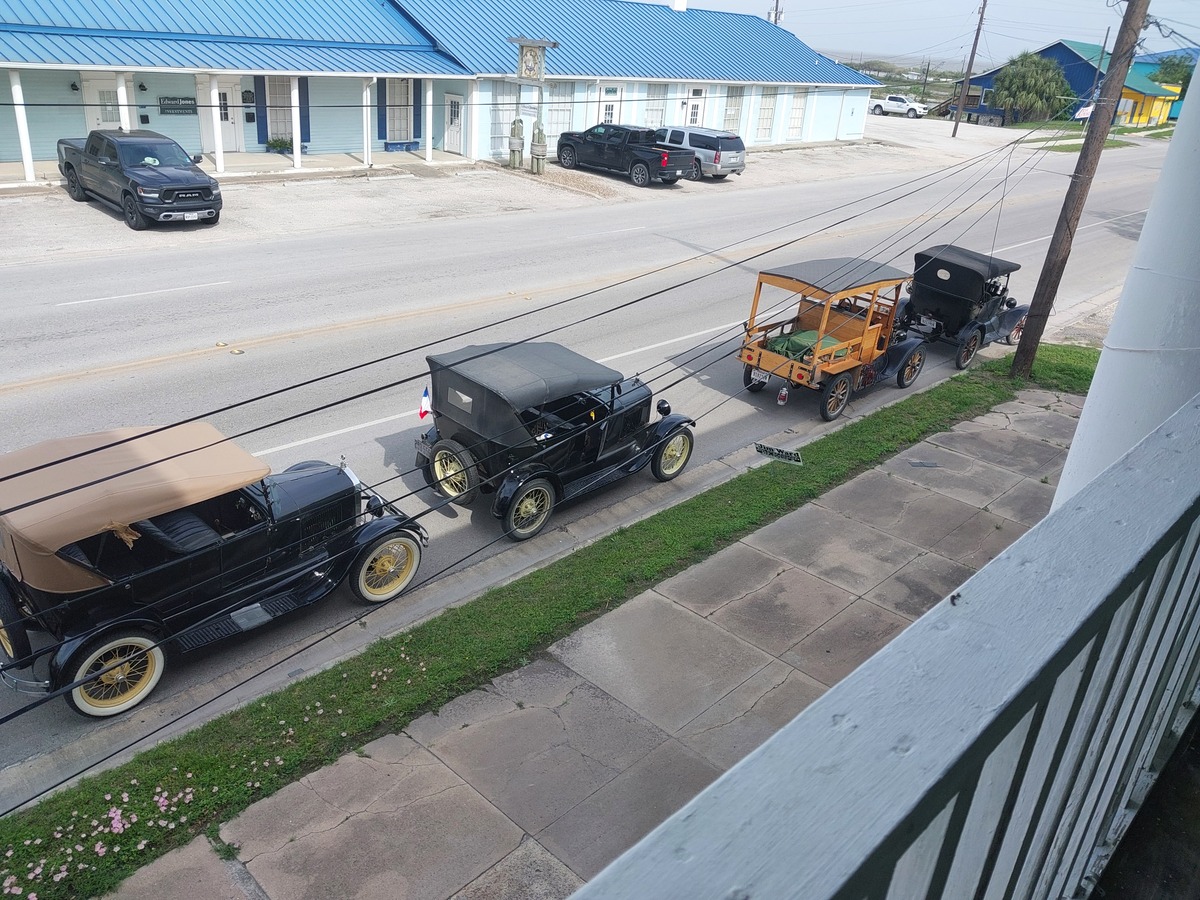
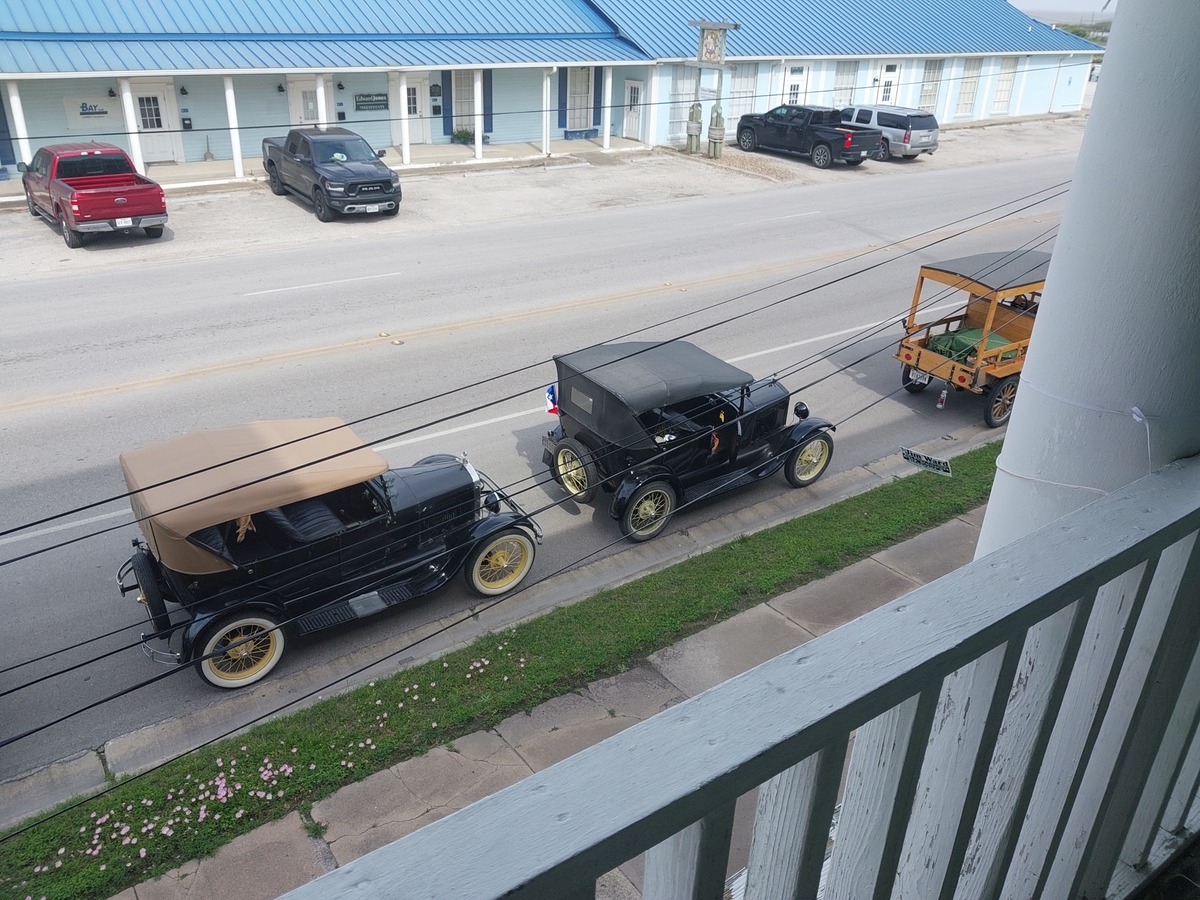
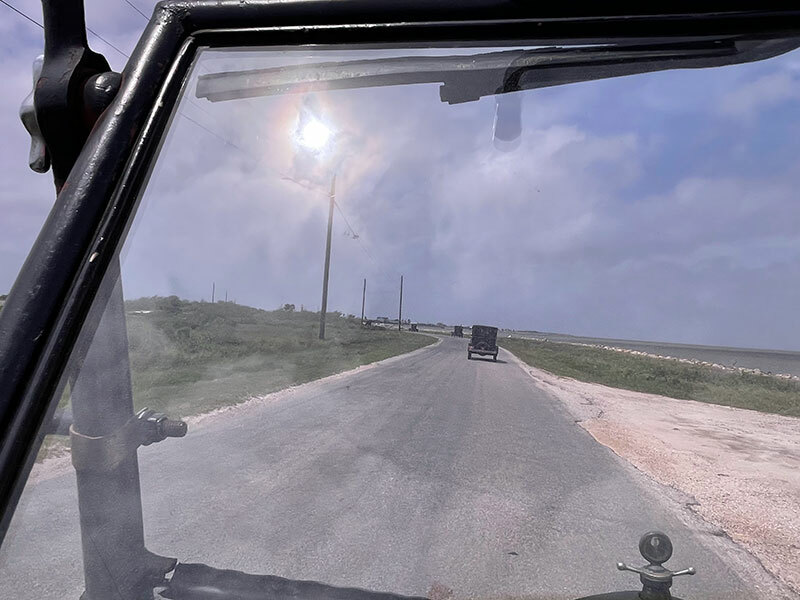
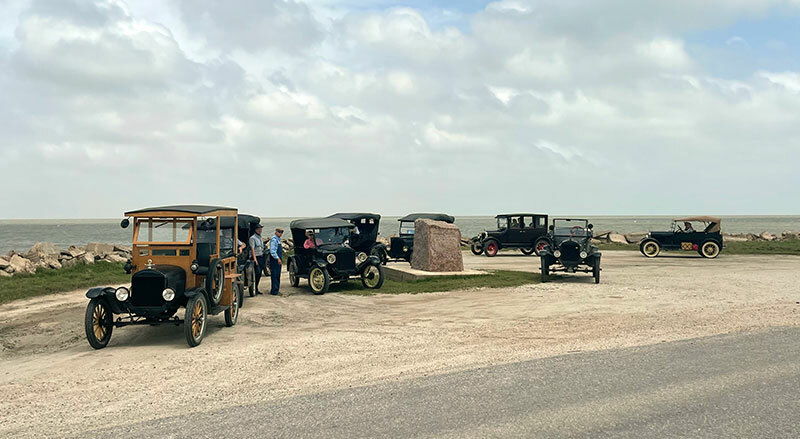
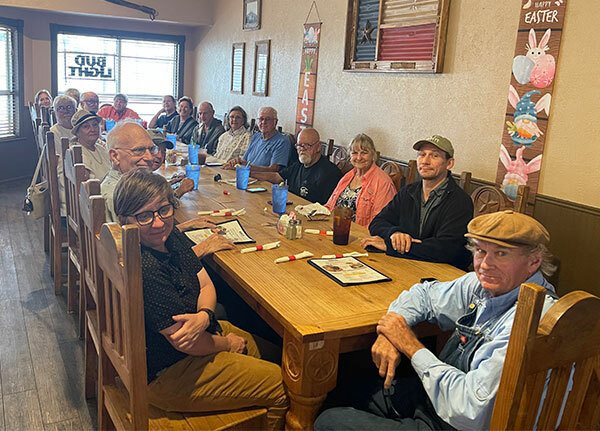
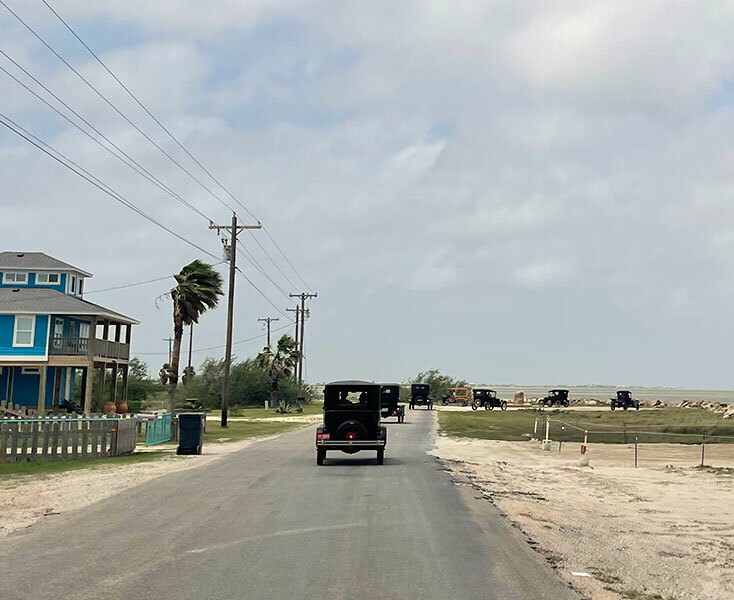
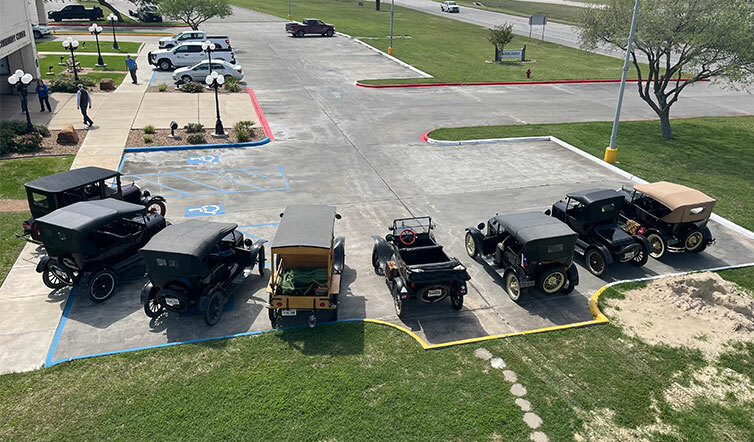
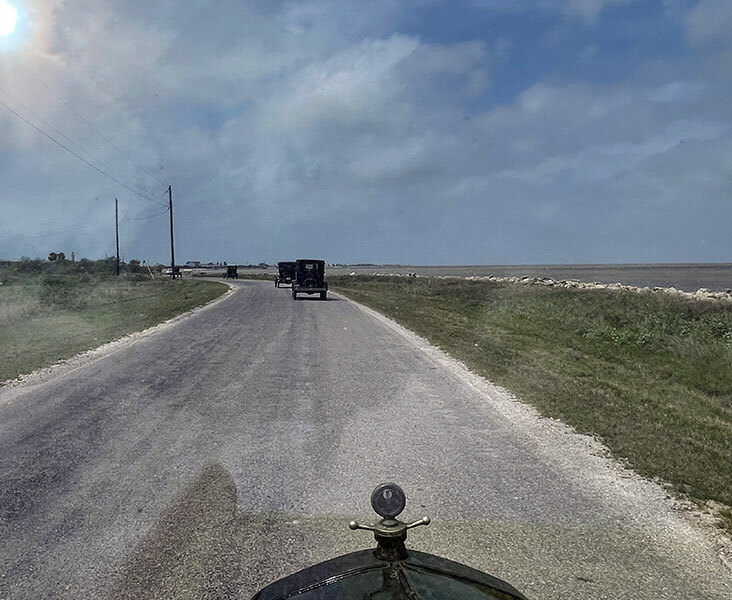
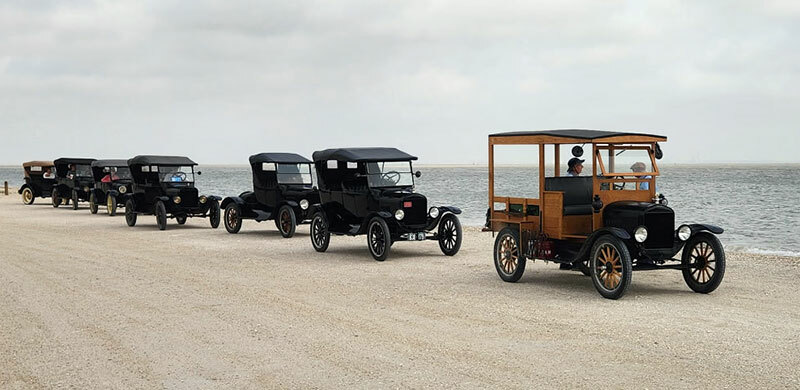
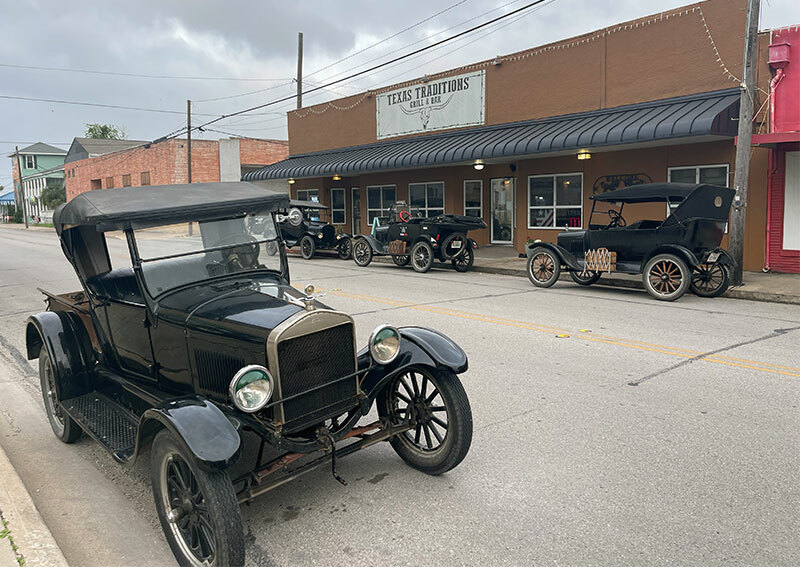
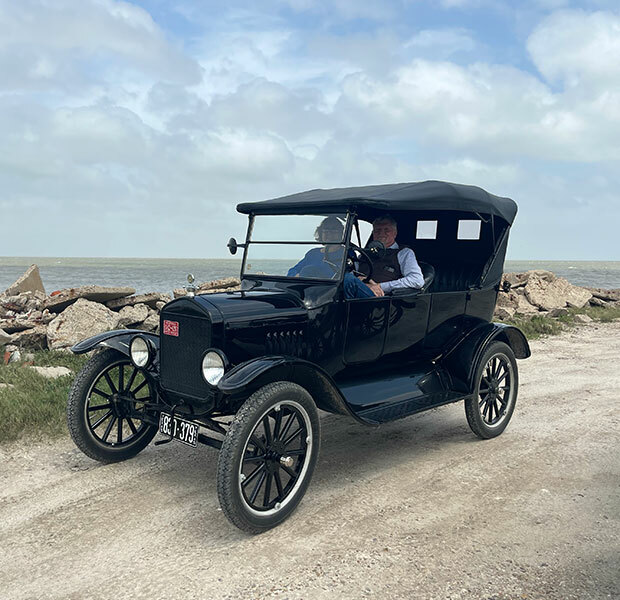
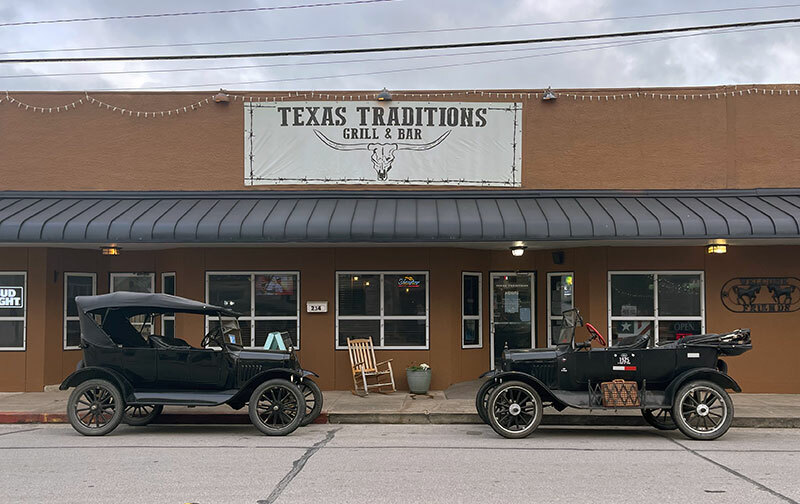
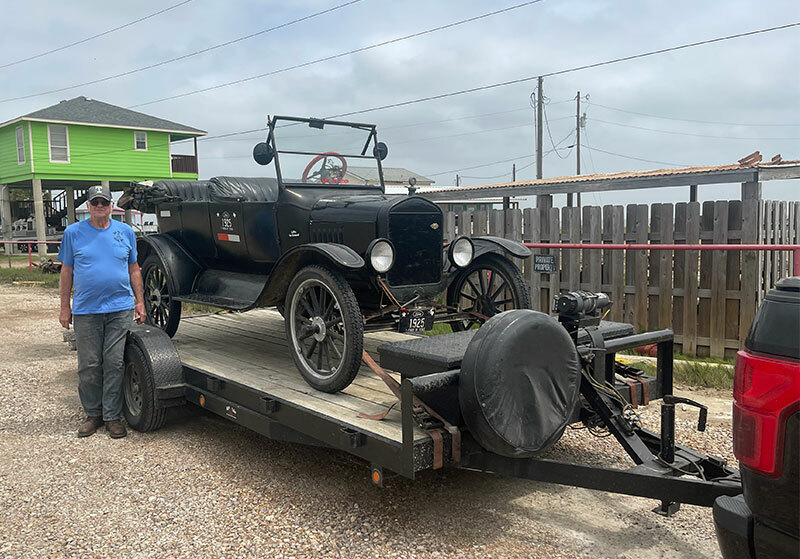
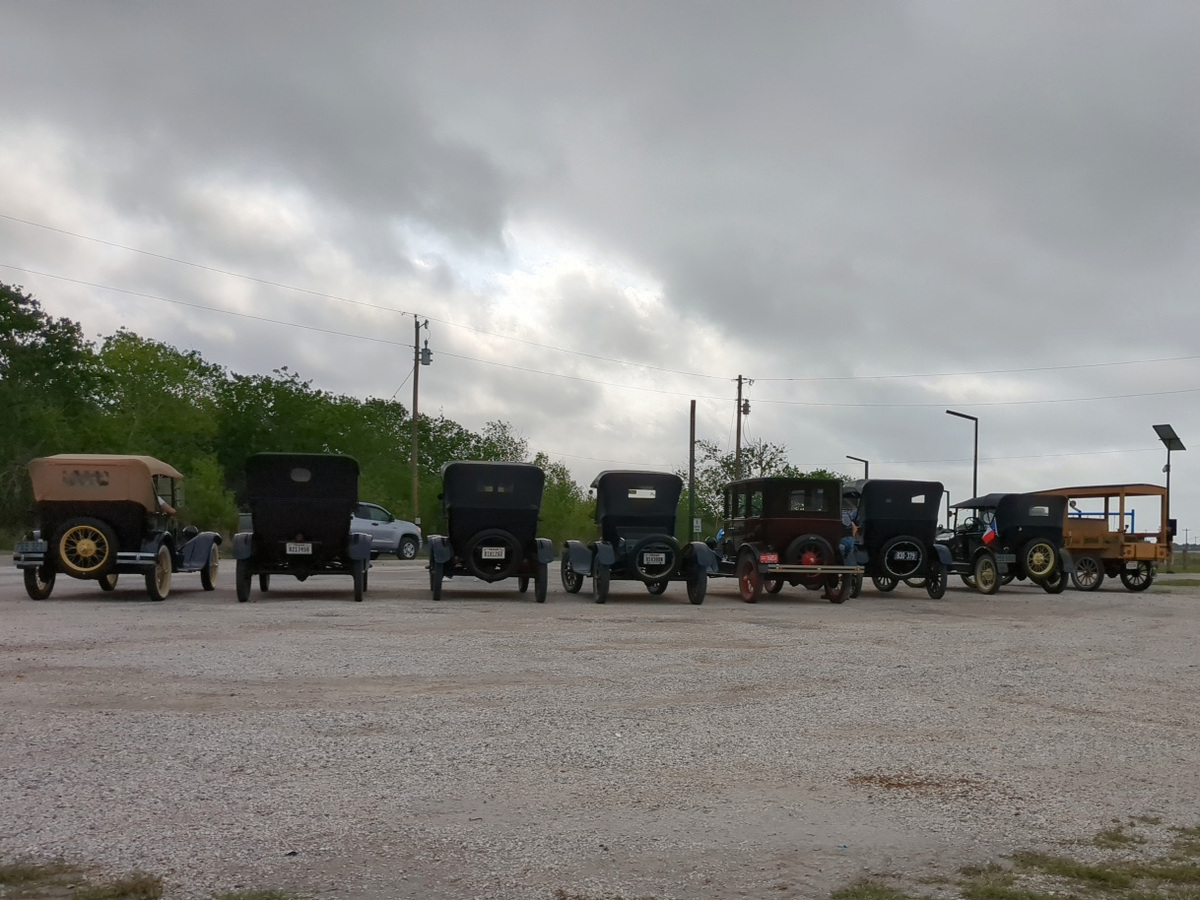
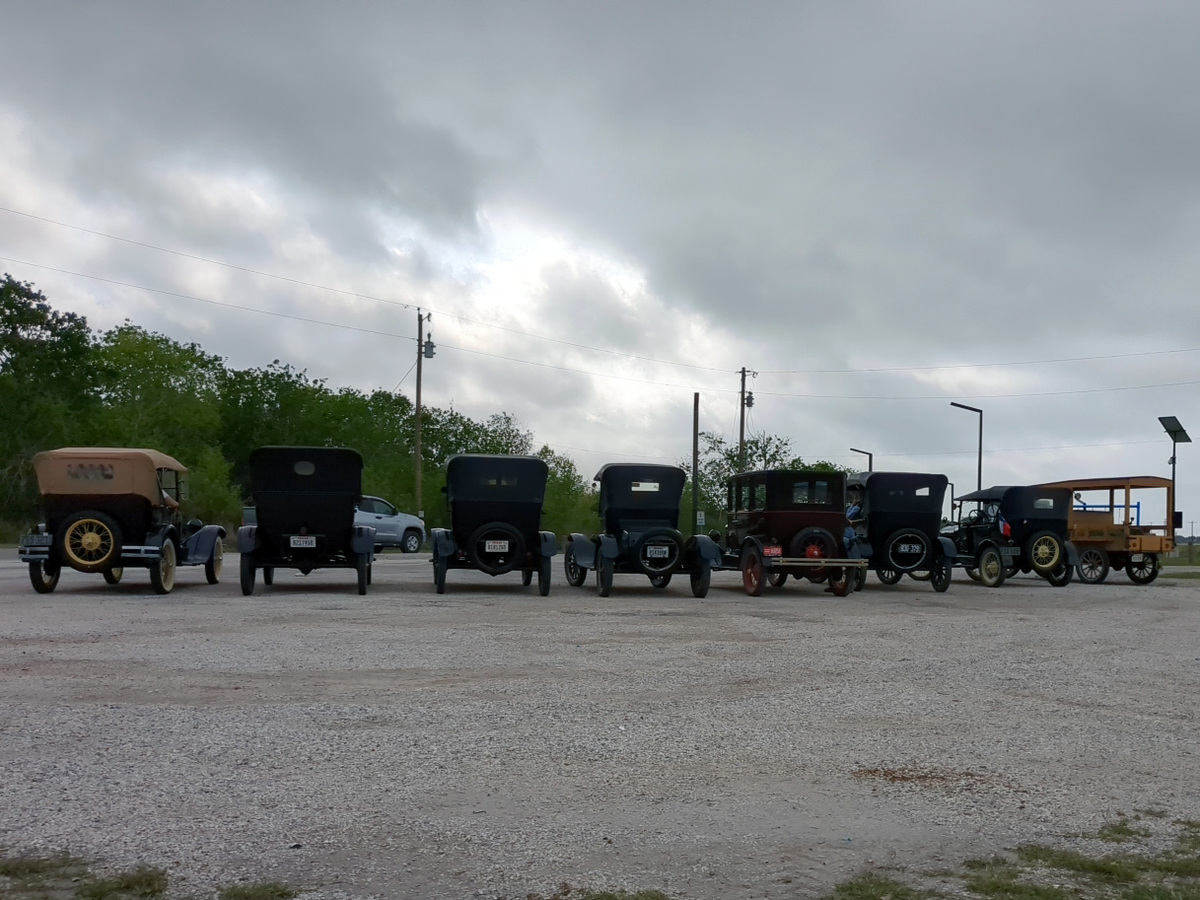
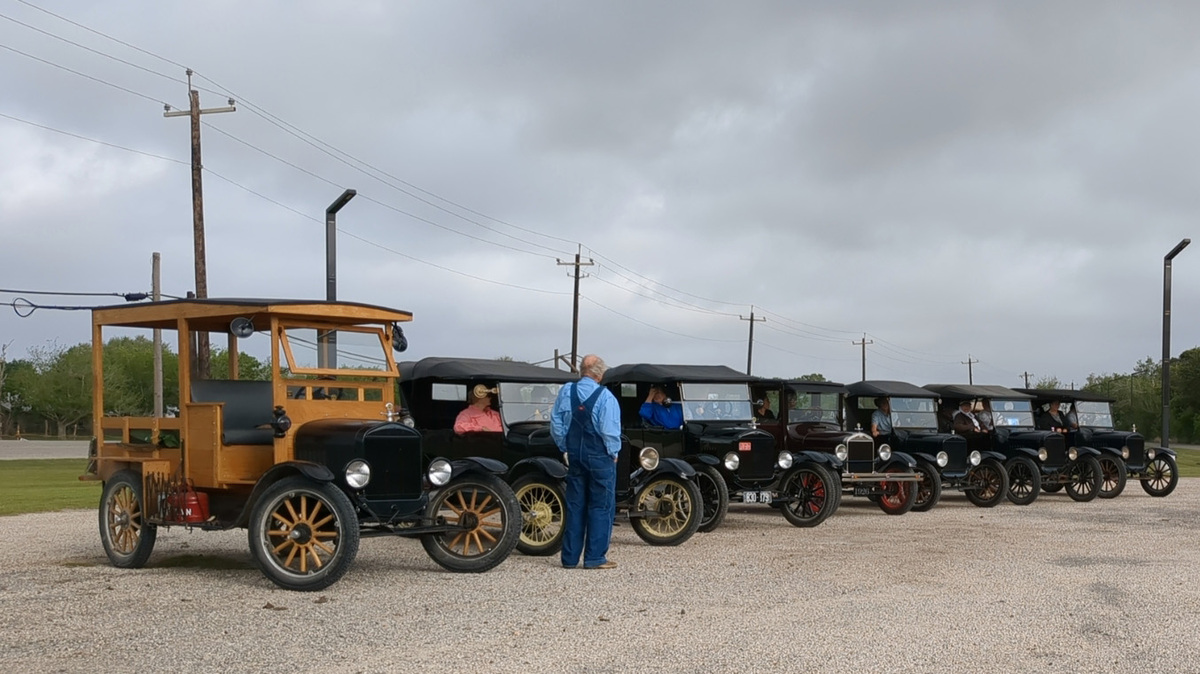
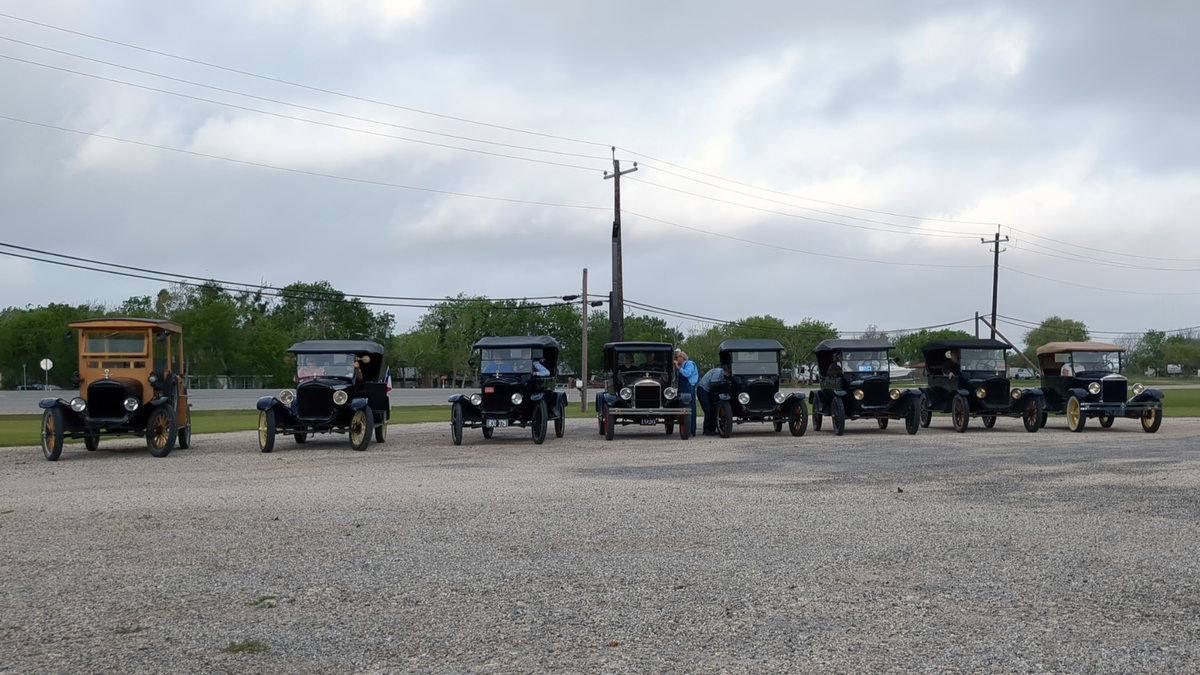
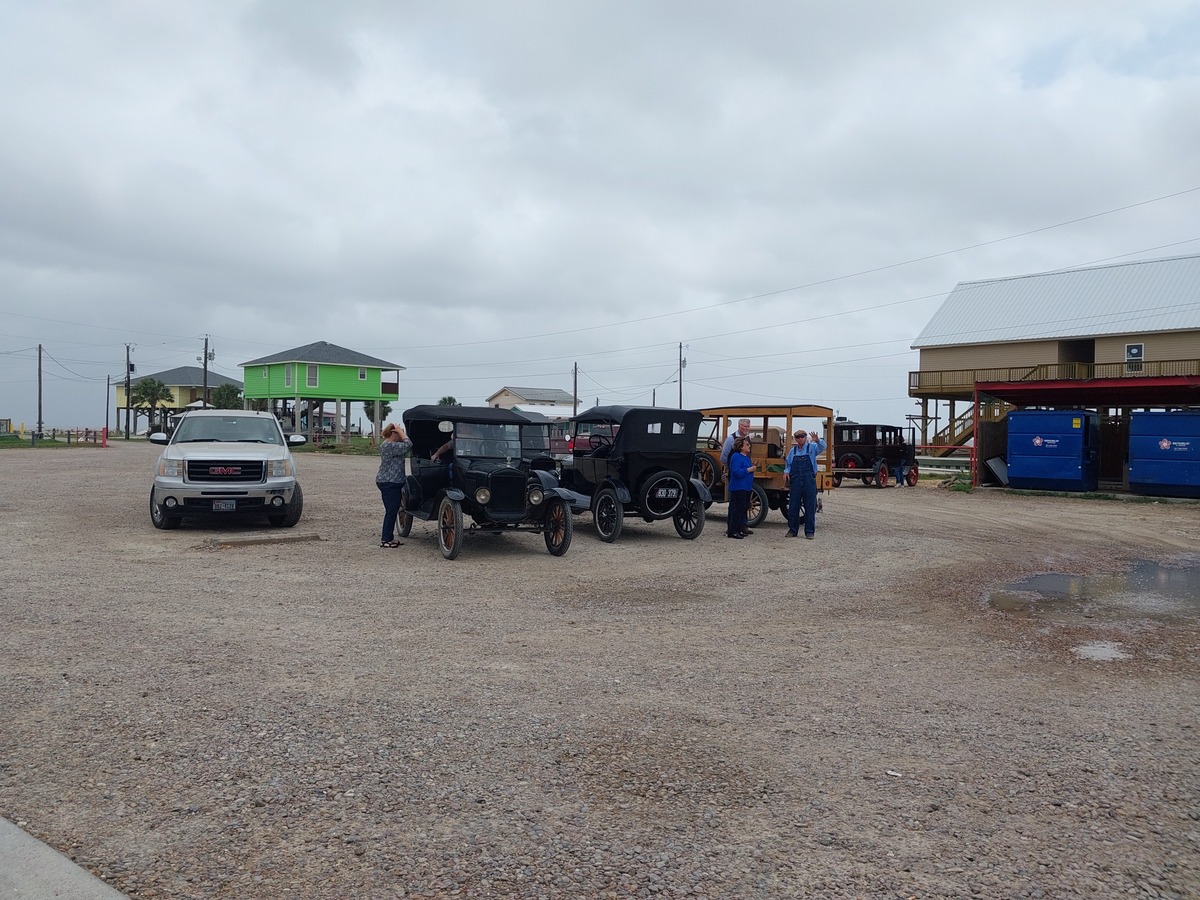
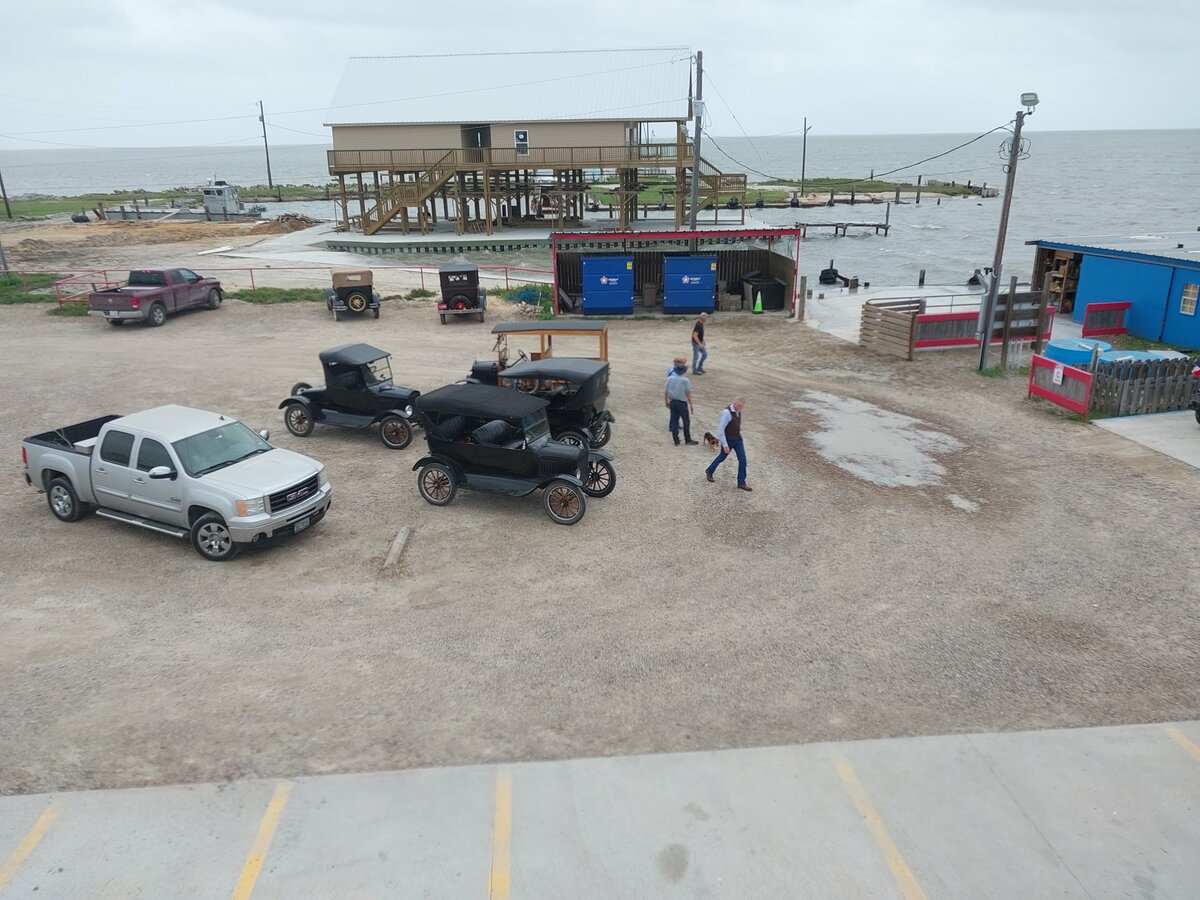
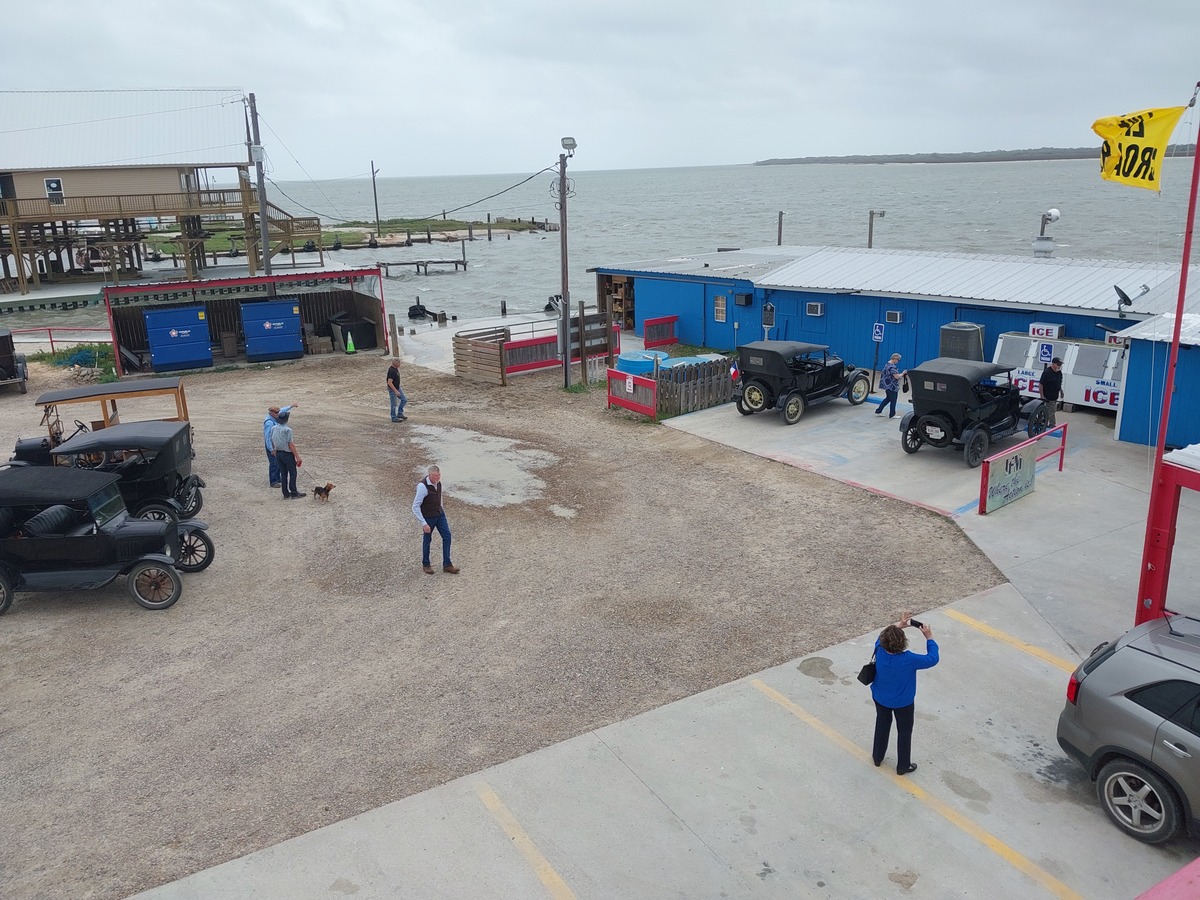
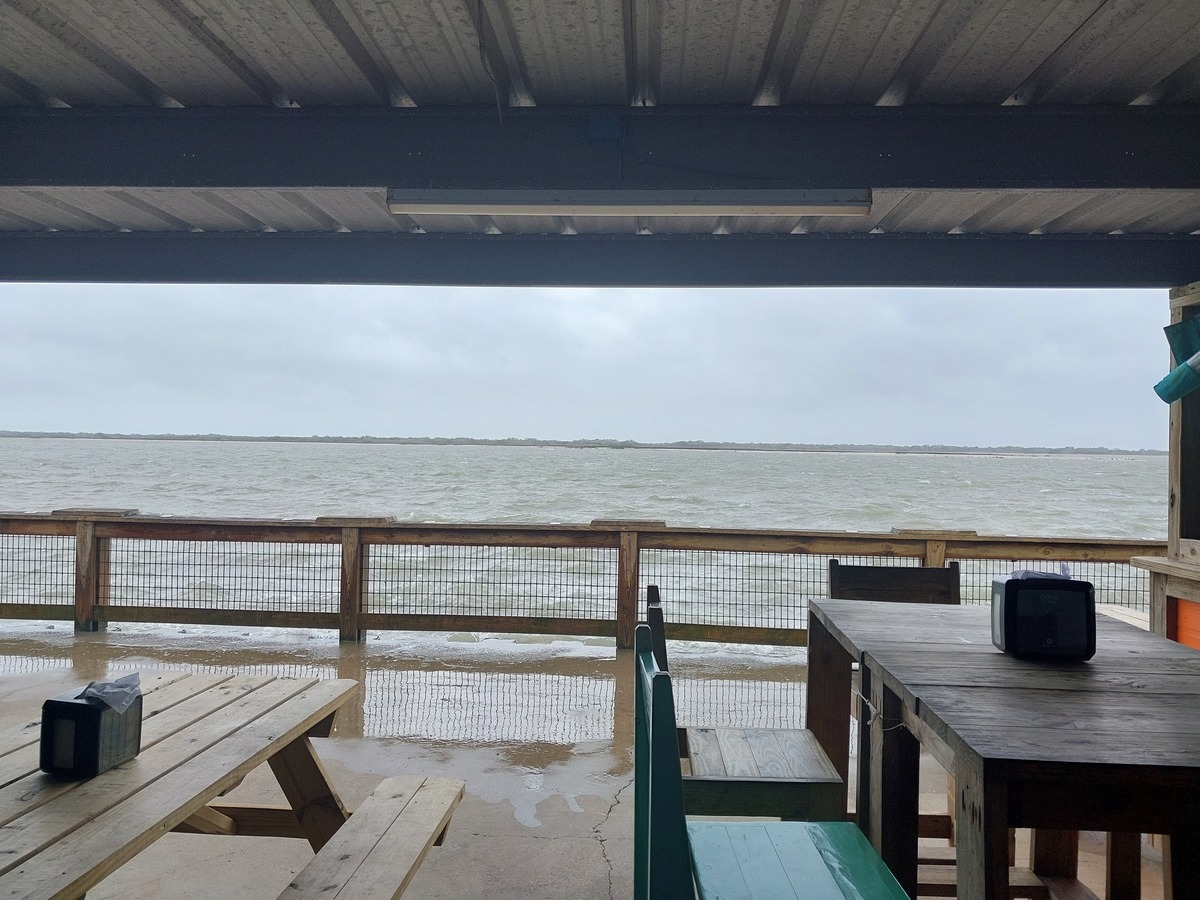
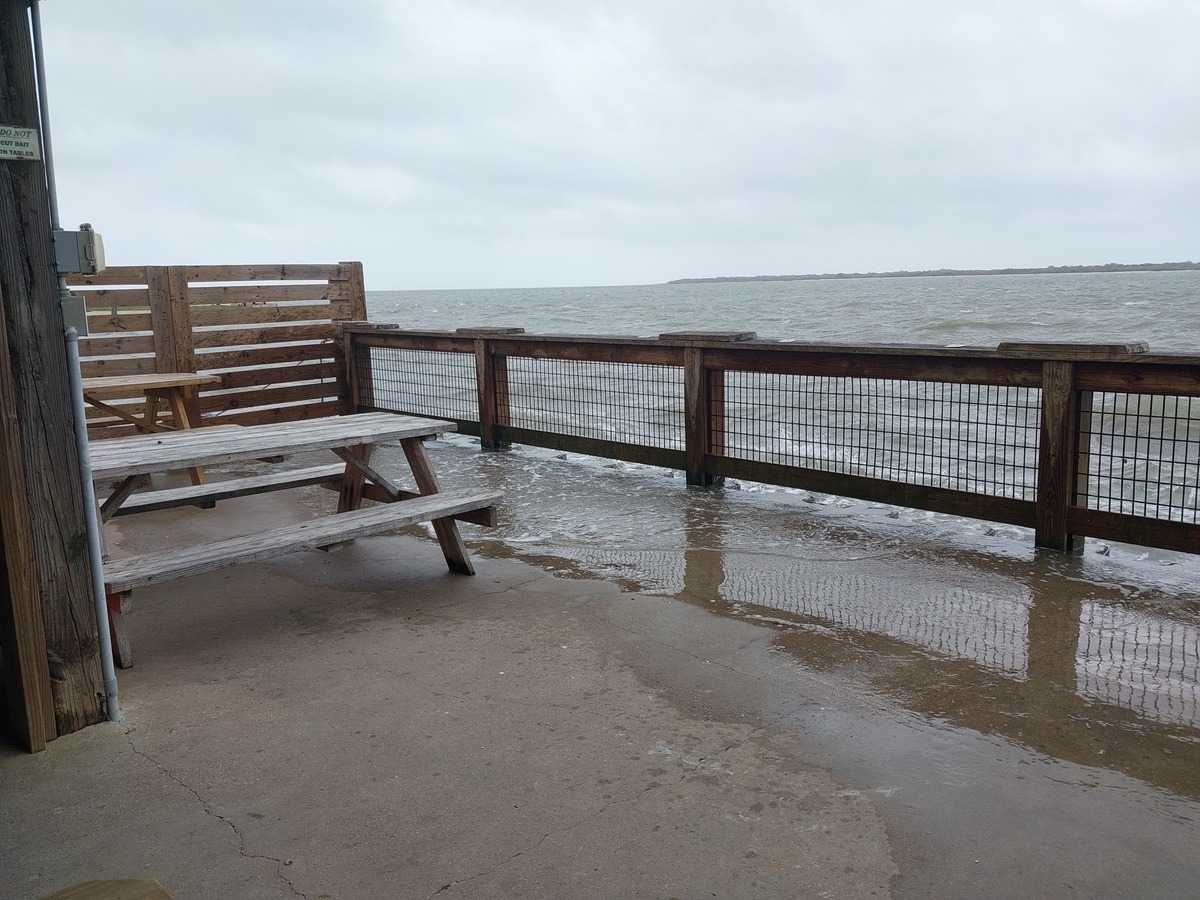
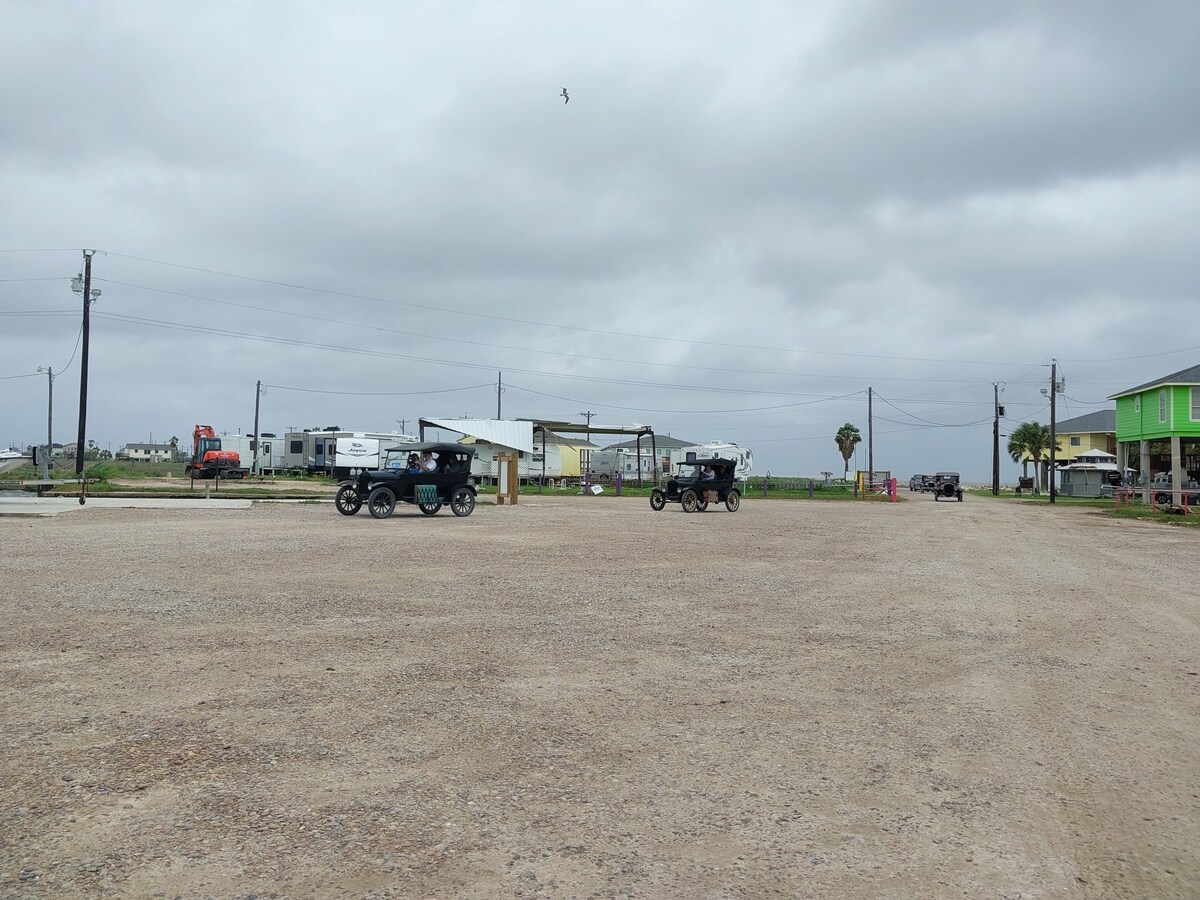
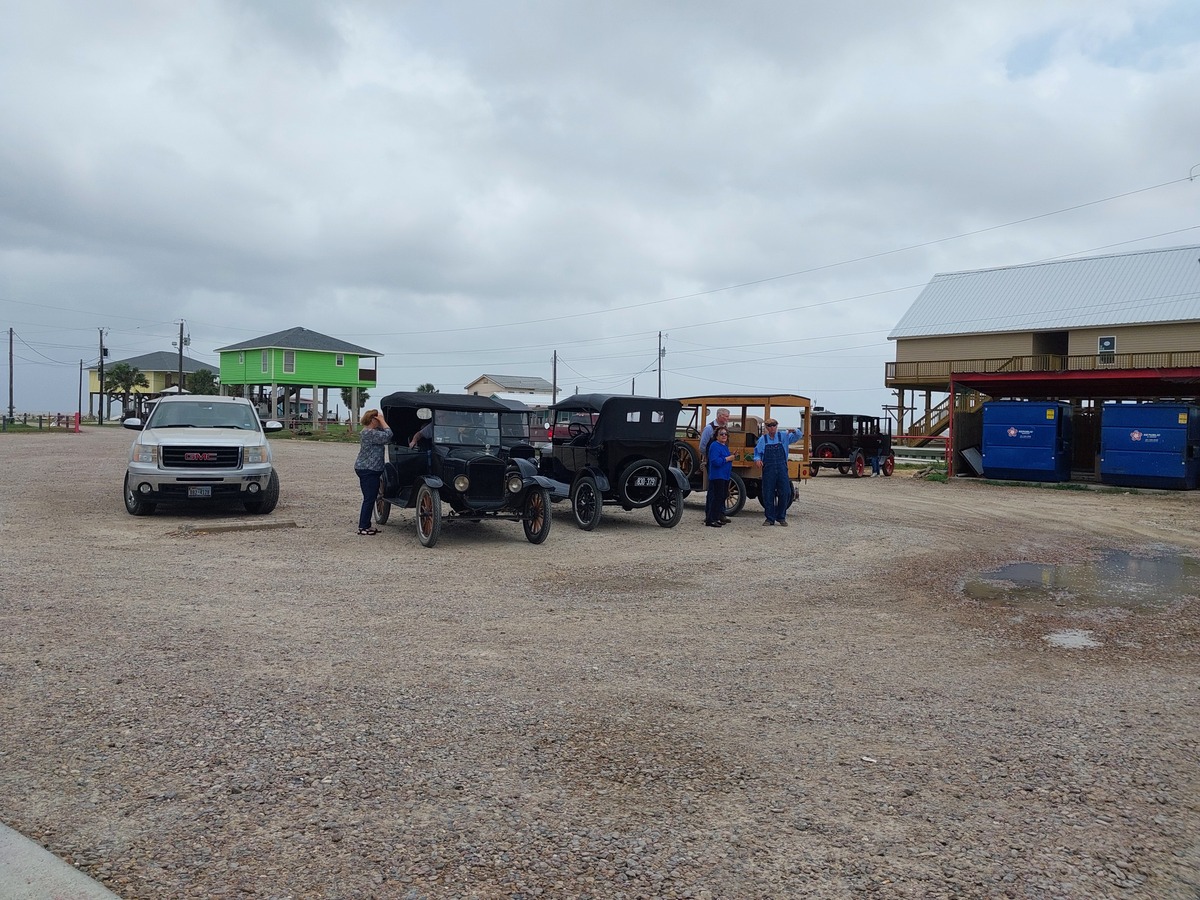
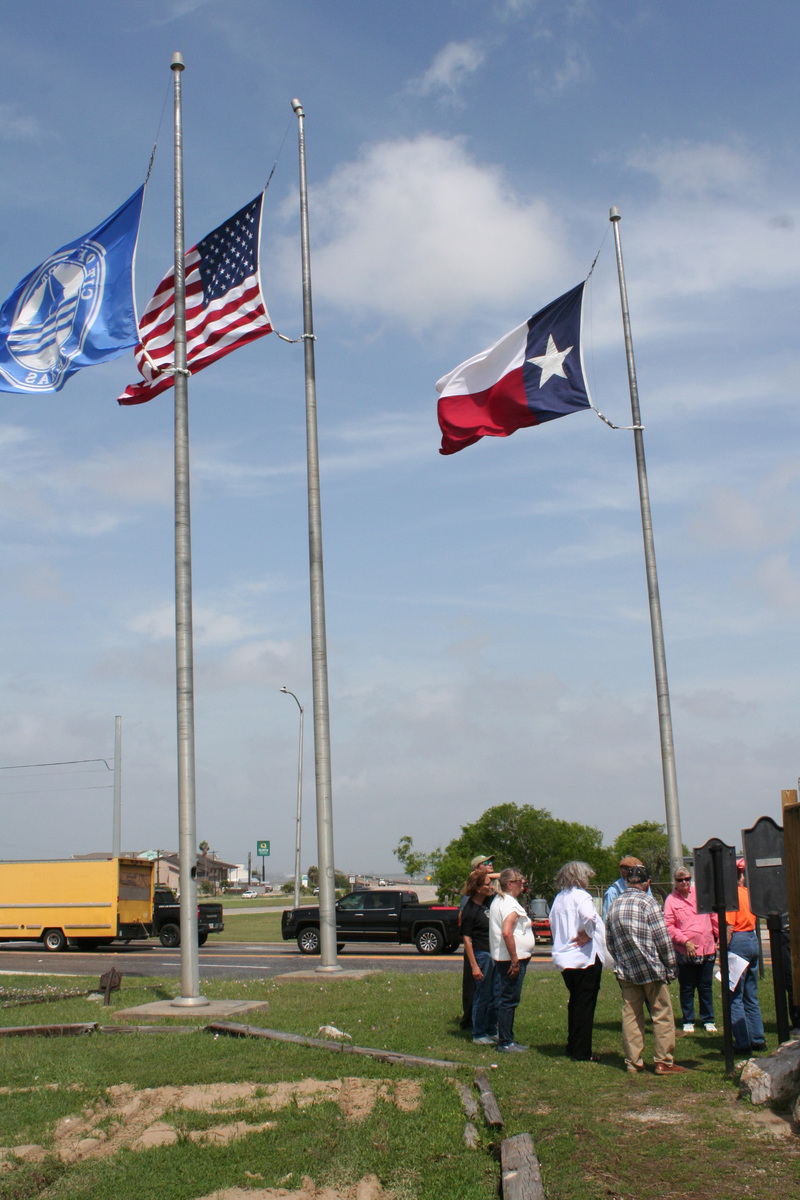
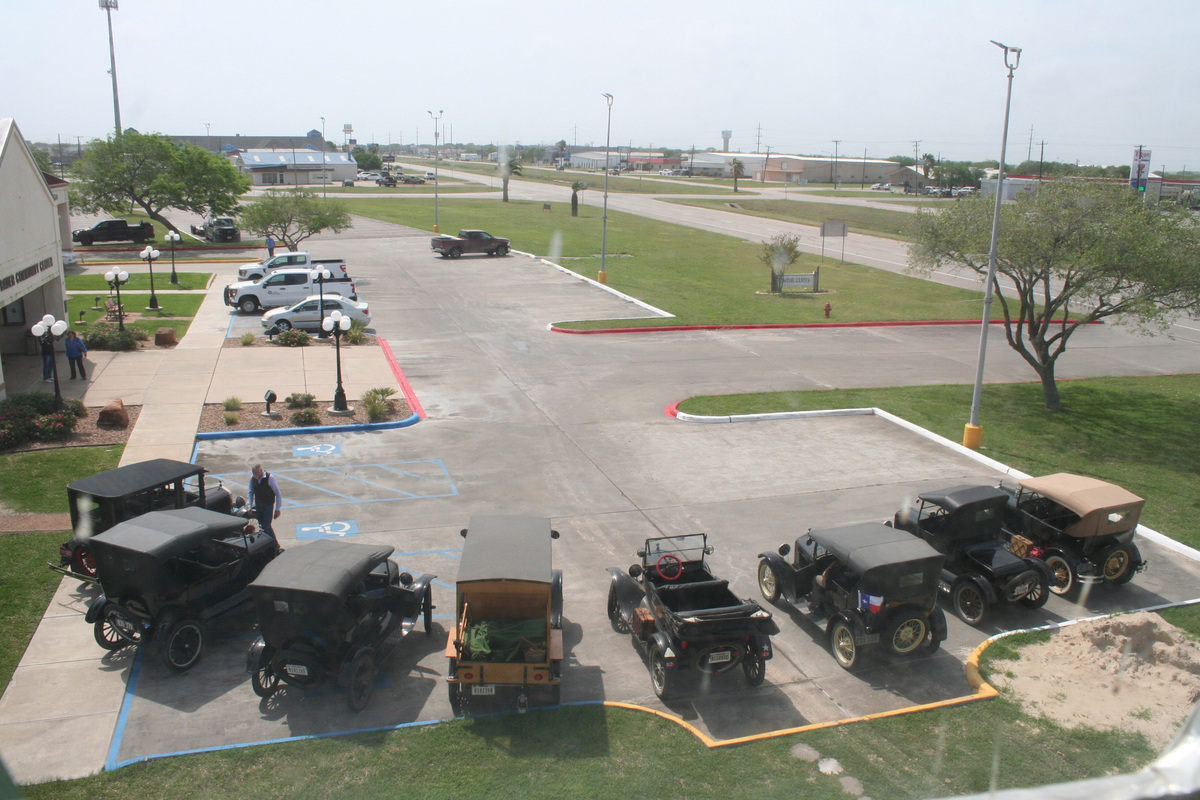
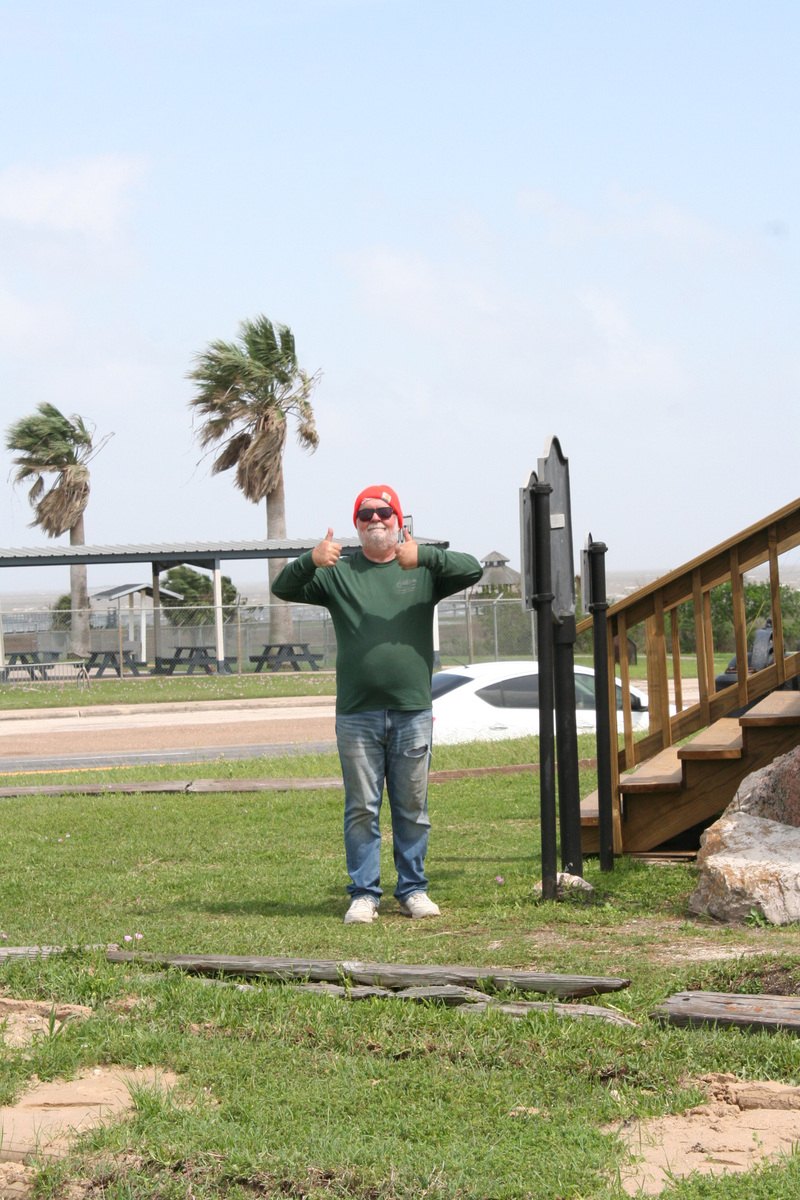
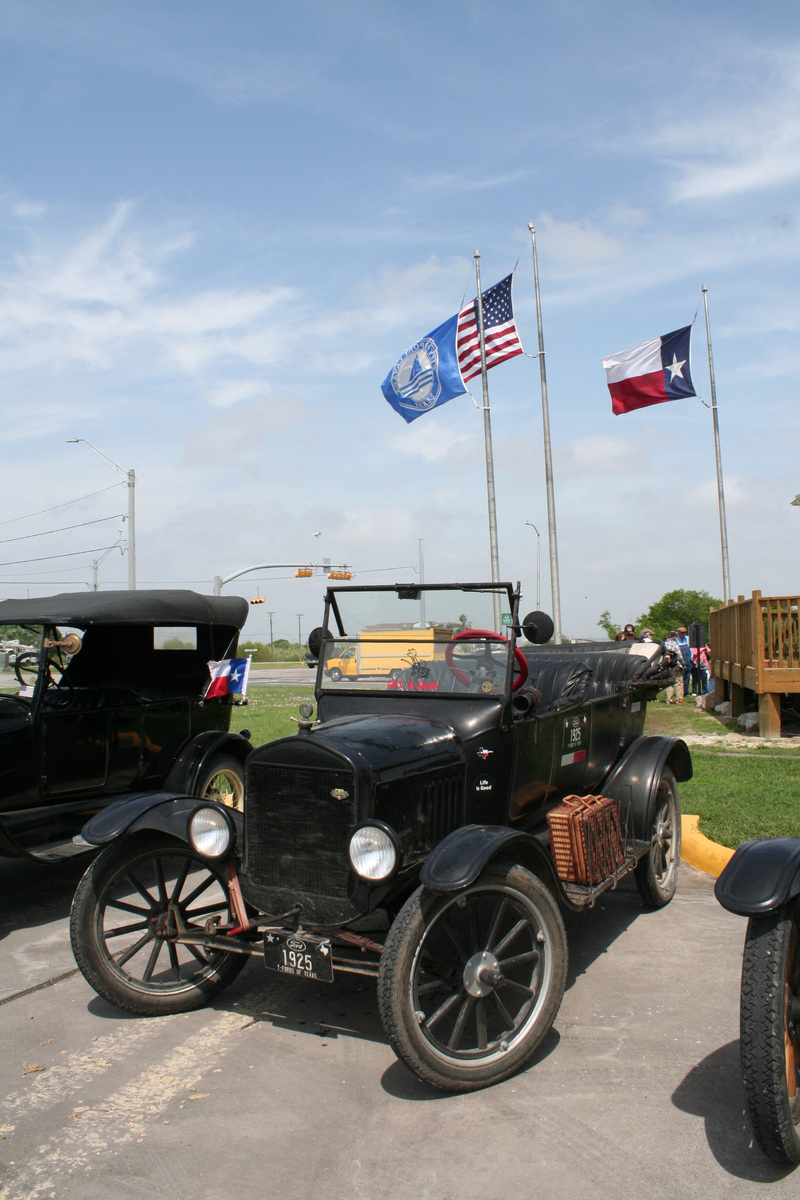
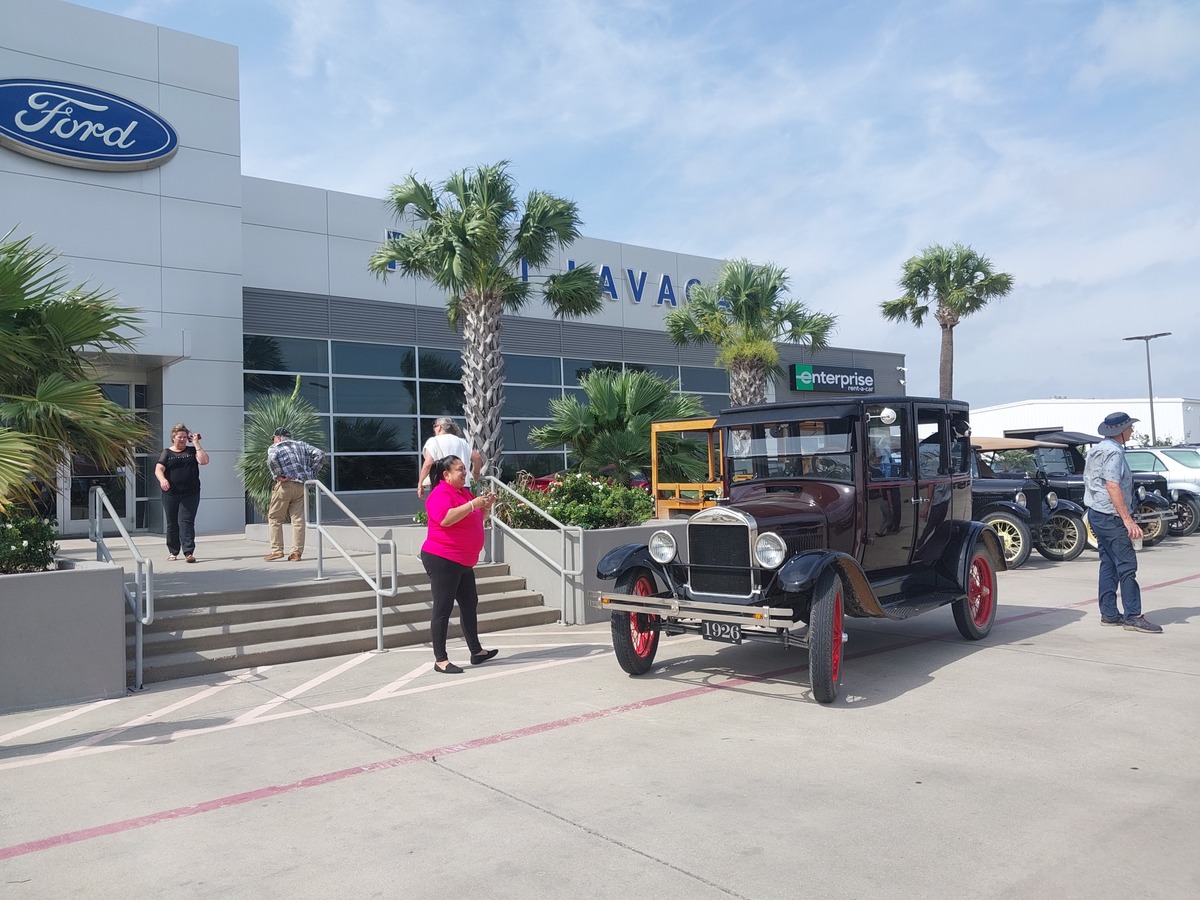
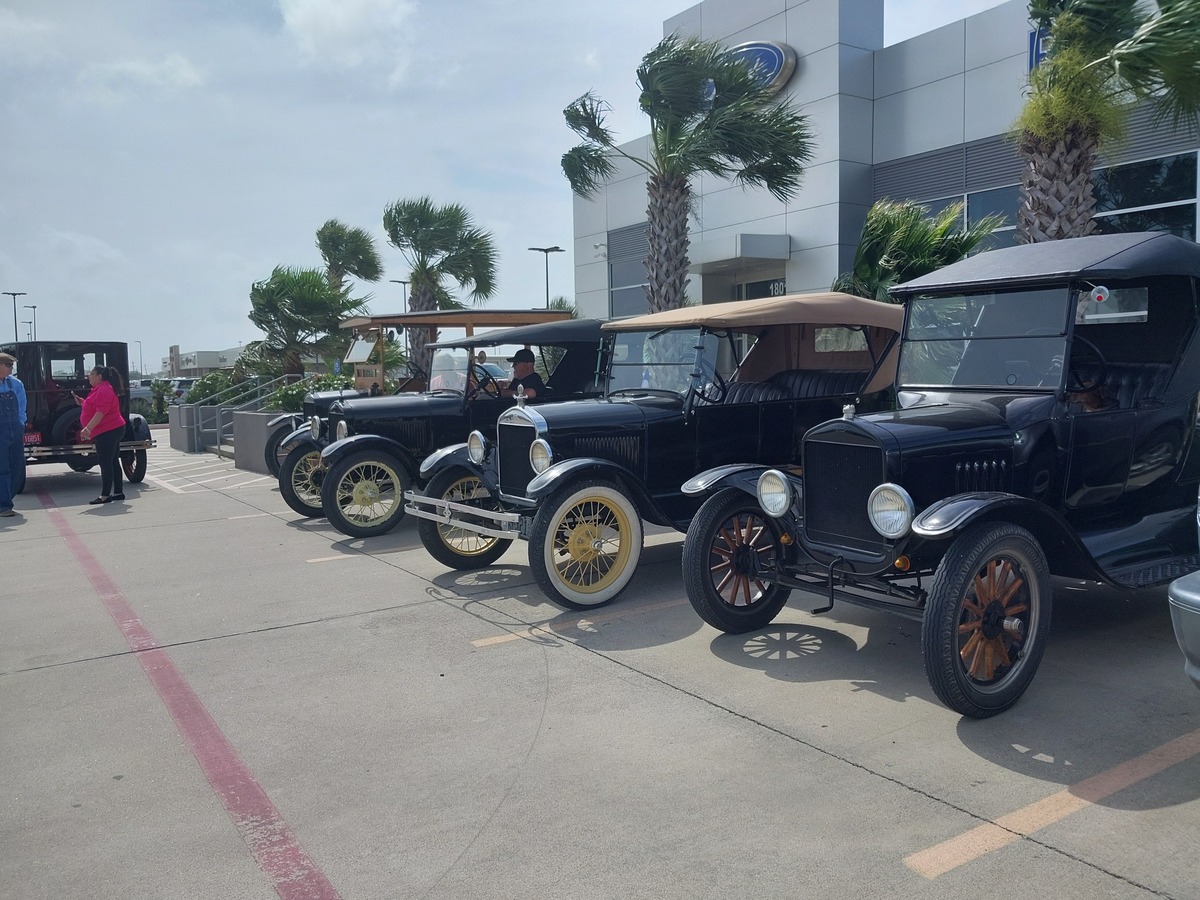
Day 3 of 5 on the San Antonio T club spring tour. It was very windy and the sun played hot and miss. This day was spent in the Port Lavaca area which includes the old ghost town of Indianola, which was once the busiest ports in Texas with the earliest rail service in the state. A succession of devastating storms wiped the place off the map. There is a marker that explains the old court house is now about 200 yards away under the water. A nice evening meal on Main Street ended the day.